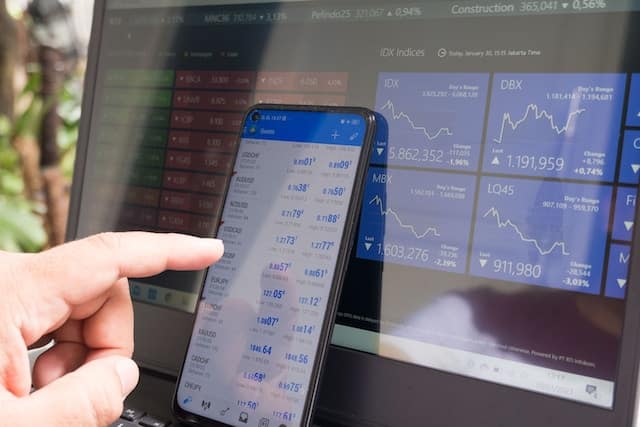
When it comes to speculative trading in financial markets, both Forex and CFD trading have become increasingly popular among retail traders. While these two trading methods share similarities, they also have distinct differences that can significantly impact your trading strategy and profitability.
Understanding forex trading
Forex (Foreign Exchange) trading involves buying and selling currency pairs to profit from fluctuations in exchange rates. Traders speculate on the value of one currency against another, such as EUR/USD or GBP/JPY. The forex market operates 24/5 across major financial centres worldwide and is the largest and most liquid financial market globally.
Advantages of forex trading
The primary advantage of forex trading is its exceptional liquidity, which allows traders to enter and exit positions quickly without significant price slippage. Transaction costs are typically lower due to tight bid-ask spreads, especially for major currency pairs. Additionally, forex markets are heavily regulated in most countries, providing traders with better consumer protection. The standardized nature of currency pairs makes it easier to develop consistent trading strategies across different market conditions.
Disadvantages of forex trading
Forex trading is limited to currency pairs, which restricts the range of underlying assets you can trade. The high leverage available in forex (often 50:1 or higher) increases both profit potential and risk, making it suitable primarily for experienced traders. Additionally, geopolitical and macroeconomic events can cause rapid, unpredictable price movements that may lead to substantial losses.
Understanding CFD trading
CFD (Contract for Difference) trading allows traders to speculate on the price movements of various underlying assets without owning them directly. Through CFD trading, you can trade stocks, indices, commodities, cryptocurrencies, and currencies with a single platform. You profit or lose based on the price difference between when you open and close the contract.
Advantages of CFD trading
The primary benefit of CFD trading is its versatility – you can access multiple asset classes from a single account. CFDs typically offer lower capital requirements due to leverage, enabling traders to control larger positions with smaller initial investments. The wide range of tradable instruments provides numerous opportunities to diversify your portfolio and implement various trading strategies across different markets.
Disadvantages of CFD trading
CFD trading carries significant risks, particularly for retail traders. The high leverage available can result in rapid account depletion if trades move against you. Additionally, the market for CFDs is less regulated than traditional forex markets in many jurisdictions. Spreads on CFDs can be wider than those on major forex pairs, and overnight holding costs (swaps) can accumulate significantly. CFD trading is also banned or heavily restricted in several countries due to consumer protection concerns.
Key differences at a glance
Asset Range: Forex focuses solely on currency pairs, while CFDs cover a broader spectrum of assets including stocks, indices, and commodities.
Regulation: Forex markets are typically more heavily regulated, whereas CFD regulation varies significantly by jurisdiction.
Spreads and Costs: Forex often features tighter spreads on major pairs; CFDs may have wider spreads but offer access to more instruments.
Market Hours: The forex market operates nearly 24/5, while CFD markets follow the hours of their underlying instruments.
Top brokers supporting both forex and CFD trading
Several reputable brokers offer both trading options to cater to different trader preferences:
Dukascopy is a respected CFD/forex broker headquartered in Switzerland that provides access to both forex and CFD markets. They are regulated by the Swiss Financial Market Supervisory Authority (FINMA) and offer competitive spreads along with advanced trading platforms. Dukascopy is known for its transparency and regulatory compliance, making it an excellent choice for traders seeking credibility and security.
IG Markets is one of the largest CFD and forex providers globally, offering thousands of tradable instruments across multiple asset classes. They provide excellent educational resources and robust customer support across various time zones.
Interactive Brokers caters to both retail and professional traders, offering comprehensive access to forex markets and CFDs. They are known for their competitive pricing structure and advanced trading technology.
AvaTrade provides a user-friendly platform for both forex and CFD trading with educational resources designed for beginners and experienced traders alike.
Plus500 specializes in CFD trading with a focus on user-friendly platforms and competitive spreads across stocks, indices, commodities, and cryptocurrencies.
Choosing between forex and CFD trading
Your choice between forex and CFD trading should depend on several factors: your preferred trading assets, risk tolerance, regulatory requirements in your jurisdiction, and your experience level. Forex trading may suit those who prefer focusing on currency markets with tighter spreads and strong regulation. CFD trading appeals to traders seeking exposure to multiple asset classes and willing to accept higher risks for greater opportunities. Many successful traders maintain accounts with both options, allowing them to capitalize on opportunities across different markets.
Conclusion
Both forex and CFD trading offer unique opportunities and challenges. Forex trading provides liquidity, regulation, and accessibility to the world’s largest financial market, while CFD trading offers versatility and exposure to numerous asset classes. Whichever path you choose, ensure you thoroughly understand the risks, develop a solid trading strategy, and only trade with capital you can afford to lose. Regardless of your choice, selecting a reputable and regulated broker is paramount to protecting your investment and ensuring a professional trading experience.
The above information does not constitute any form of advice or recommendation by London Loves Business and is not intended to be relied upon by users in making (or refraining from making) any finance decisions. Appropriate independent advice should be obtained before making any such decision. London Loves Business bears no responsibility for any gains or losses.