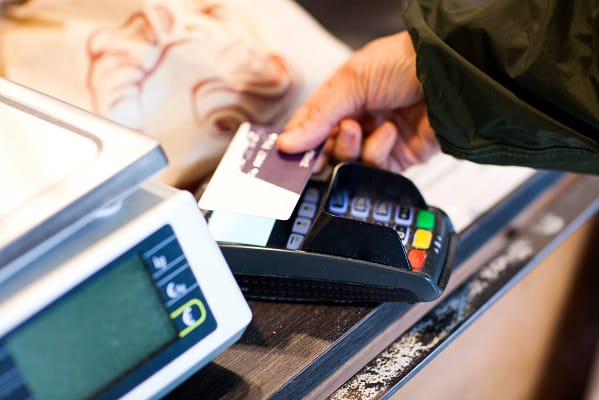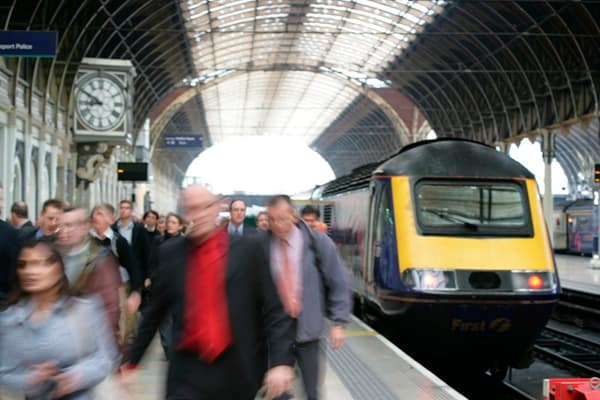
The headlines look simple: regulated rail fares are frozen, and the Great British Rail Sale is back. In practice, this is a neat little moment where transport policy, recruitment reality, and hybrid work habits collide. For employers, it is not just “nice for staff”. It is a chance to tighten what you mean by hybrid, reduce friction in booking, and make commuting patterns a bit more predictable for the next quarter.
This is not about forcing people in, or pretending a week-long sale fixes long-term affordability. It is about using two small price signals to make better decisions, especially when your workforce is split between London, the South East, and everywhere you can now hire from.
Myth 1: Does a rail fares freeze mean every ticket is suddenly cheaper?
A freeze does not cut fares. It stops a set of fares from rising, for a defined period, in this case regulated fares in England. The government announcement is specific about what that covers: season tickets, peak returns for commuters, and off-peak returns between major cities.
For hybrid work, that distinction matters because regulated fares are the ones that shape routine commuting budgets. If someone comes in two or three days a week, they are often mixing flexible tickets, carnet-style thinking, and sometimes a season ticket that no longer lines up neatly with five-day patterns. Freezing regulated fares reduces one kind of uncertainty: you are not asking staff to absorb an annual uplift on the most commuter-relevant products while you are still negotiating what “two days in” actually means.
It also helps to be honest about what the freeze is not. Many fares are unregulated and can still move. And a freeze does not make rail magically reliable, or stations less crowded at the pinch points. So the practical employer takeaway is about planning stability, not price miracles.
One useful scale marker in the government release is the volume it expects to touch: the freeze is framed as applying to all regulated fares and “benefitting more than a billion passenger journeys across England.” That is a big footprint, and a hint at why this is being pitched as cost-of-living support rather than a niche commuter perk.
Quick check: Treat the freeze as budgeting stability on commuter-style tickets, not as an across-the-board discount. Build policy around what is regulated, and keep an eye on what is not.
Myth 2: Is the Great British Rail Sale only for leisure trips?
The Rail Sale is easy to misread as a marketing week for city breaks. The official framing is broader, and explicitly includes commuting and meetings. Tickets are available to buy from 6 January to 12 January 2026, for travel between 13 January and 25 March 2026, with nearly all operators taking part.
The other key fact is scale. The Department for Transport talks about “over 3 million tickets”, while National Rail summarises the offer as “up to 50% off over 3 million selected Advance and Off-Peak train tickets.” In other words, it is a time-limited nudge aimed at filling seats and pulling some discretionary travel forward, and that can include work travel when you plan it like discretionary travel.
Where employers can use it well is in the “semi-routine” layer of hybrid life: the days that matter, but are not every day. Think onboarding, quarterly in-person bursts, and interviews that you do not want on a video call.
- Bringing in candidates for final-stage interviews, especially for roles where culture and collaboration matter
- Scheduling onboarding days, training cohorts, or team planning sessions before the spring calendar fills up
- Consolidating “anchor days” so people travel off-peak where possible, and with enough notice to buy Advance fares
- Supporting regional staff who come to London occasionally, without accidentally making them feel second-class
A small operational point becomes a big unlock here: decide whether you are a “book it early” employer. The Rail Sale is mainly about selected Advance and Off-Peak tickets, meaning availability, restrictions, and lead times matter. If your hybrid policy is casual, you will miss the value. If your hybrid policy has a light rhythm, teams can actually use the discounts.
In the background, there is also a hiring equity story. The Office for National Statistics found that 28% of working adults in Great Britain hybrid worked between January and March 2025. That is “normal enough” to shape expectations, but not universal enough to ignore who pays the price of getting it wrong.
If finance teams are collecting proofs of travel from multiple channels, a png to jpg converter can reduce file friction when screenshots fail to open cleanly across devices, and it makes folder storage more consistent.
Quick check: The Rail Sale rewards planning. If your hybrid model has predictable in-person moments, use the sale window to lock them in while seats are cheapest.
Myth 3: Is hybrid mainly a culture perk, rather than a cost and hiring lever?
Tamboly / Avalon
Hybrid is culture, yes, but it is also an economic system made of small costs and a few big ones. The moment rail costs become more predictable, and discounted travel is available on a defined timetable, you can design hybrid with clearer trade-offs.
Start with one simple question: what is the “cost per in-person day” for the employee, and what is the “cost per in-person day” for the employer? They are not the same. The employee is thinking about fares, food, time, and childcare logistics. The employer is thinking about retention, team cohesion, and whether the office footprint is actually being used well.
Instead of pretending there is one correct model, compare the three most common choices for a London-centred organisation:
- Commuting to a main office: best for deep collaboration, worst when days are random and fares are bought late
- Local co-working near home: best for productivity and mental separation, weakest for team bonding unless you also meet centrally
- Home working: best for focus and flexibility, can be hardest for early-career development if you do not design mentoring properly
The ONS also adds a blunt reality check on who gets access. Workers with a degree or equivalent were “10 times more likely” to hybrid work than those with no qualifications. If you are a firm that wants to widen your talent pool, you cannot treat commuting as an afterthought. The people you most want to attract may be the same people most sensitive to unpredictable travel costs, or most reliant on public transport rather than driving.
This is where a fares freeze plus a sale becomes more than consumer news. It gives you a short window to trial better habits: agree anchor days earlier, book earlier, and reduce the sense that staff are gambling with their wallets to be seen in the office.
And when hybrid hiring expands the geography of your shortlist, you quickly run into practical admin. A png to jpg converter seems trivial, but it is the kind of micro-fix that stops travel claims turning into weeks of message-chasing and incompatible attachments.
Quick check: Hybrid policy is a budget policy in disguise. Use this moment to model costs per in-person day, then set routines that make discounted rail travel usable rather than theoretical.
Myth 4: Is booking rail for teams “just admin”, or is it where hybrid wins or loses?
Admin is where policy becomes real. The Rail Sale is explicit about constraints: tickets are limited, subject to availability, vary by operator, and for many routes must be bought several days in advance. If you do not standardise how teams book, you will get inconsistent outcomes: some people will land cheap fares, others will pay peak walk-up prices because the meeting invite came late.
There is also an employee experience angle. Unclear booking rules create two bad behaviours: people avoid travelling because it feels like hassle, or they travel and quietly resent the cost. Neither is great for retention.
So treat rail booking as part of your hybrid operating system. Decide what is centralised, what is reimbursed, and what is expected to be planned.
If staff are sending ticket screenshots back and forth, a png to jpg converter can make them easier to open and store in shared folders.
A practical “rail sale week” playbook for teams looks like this:
- Pick your priority travel moments for 13 January to 25 March 2026, then book early while discounted inventory exists
- Encourage off-peak travel where roles allow it, and set meeting start times that do not force peak pricing by default
- Set one internal rule for ticket changes and refunds, so staff do not guess and then pay the penalty
- Standardise what counts as valid proof of travel for expenses, and where it should be stored
- Build accessibility into planning early, since availability and assistance often need lead time
The meta point is simple: the best hybrid policies feel effortless. A fare freeze helps people plan with less anxiety about “next year’s increase”. A sale helps if you plan early enough to actually catch it. Your job as an employer is to turn those conditions into predictable, fair routines.
Quick check: Booking rules are part of the hybrid offer. Set routines, file standards, and lead times so discounted rail travel is achievable for real people, not just on paper.
Conclusion
A rail fares freeze does not solve affordability, and a rail sale does not replace a coherent hybrid strategy. But together, they create a short, practical window to make commuting more predictable, reduce the pain of in-person moments, and tighten the operational side of hybrid work. If you hire in and around London, this is a chance to turn “we’re flexible” into something staff can actually plan their lives around.
FAQ
Does the rail fares freeze apply to every ticket type?
No. It applies to regulated fares in England, which include products like season tickets and certain commuter-style returns. Other fares can still vary by route and operator.
When is the Great British Rail Sale, and when can you travel?
Tickets are sold from 6 January to 12 January 2026, for travel between 13 January and 25 March 2026. Availability is limited and varies by operator and route.
How should employers use the sale without pushing people into the office?
Use it for planned moments that genuinely benefit from being in person, like onboarding, training, and team planning days. The value comes from predictability, not pressure.
Is hybrid working actually common in the UK now?
Yes, but it is not universal. The ONS reported 28% of working adults hybrid worked between January and March 2025, and access varies sharply by qualification level.