[ad_1]
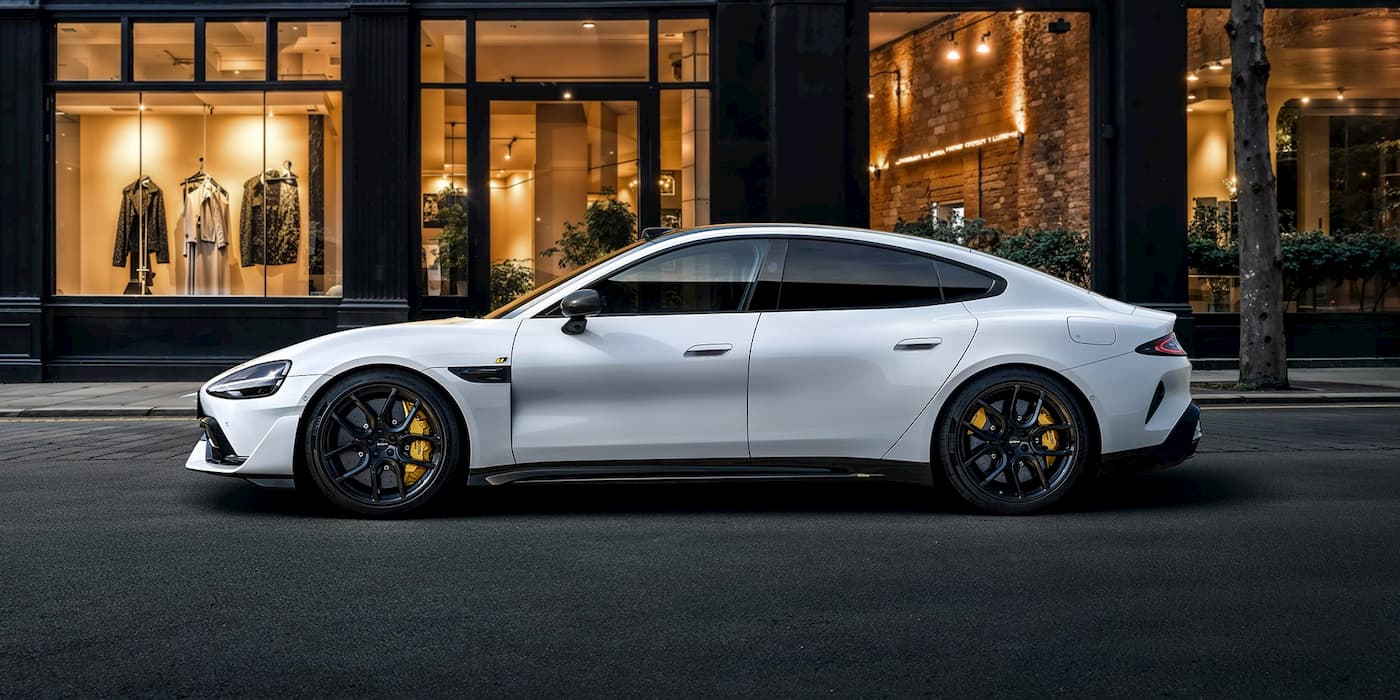
For the first time since Tesla launched the Model 3 in China in 2019, another automaker has outsold it in the premium electric sedan segment. And it’s a smartphone company.
Xiaomi delivered 258,164 units of its SU7 sedan in 2025, nearly 30% more than Tesla Model 3’s 200,361 deliveries, according to data from the China Passenger Car Association (CPCA).
This comes just weeks after we reported that Tesla confirmed its first year of domestic sales decline in China. The writing was on the wall, and now we’re seeing the direct consequences.
How Xiaomi did it
The Xiaomi SU7 launched in March 2024. Less than two years later, it’s the bestselling premium EV sedan in the world’s largest auto market.
The formula looks familiar if you’ve followed Xiaomi’s smartphone playbook:
- Price: The base SU7 starts at RMB 215,900 ($31,000) vs. Model 3 at RMB 235,500
($33,800), about 9% cheaper - Range: 700 km CLTC vs. 634 km for the Model 3 RWD, roughly 10% more
- Tech: Free driver assistance features, LiDAR now standard on the updated model, and tight integration with Xiaomi’s HyperOS ecosystem
The SU7 has also earned respect from unlikely places. Last year, Ferrari was reportedly so impressed by the SU7 that they bought one to study. Ford’s CEO, Jim Farley, has also been raving about the SU7 since it came out, and it prompted him to launch a new team to make sure the American automaker can compete with Chinese EVs.
We noted early last year that SU7 was already beating Tesla in monthly sales just a year after its launch.
But now, with the full-year data, we can see that Xiaomi’s first EV surpassed its best-selling closest competitor by a massive 50,000 units in 2025.
It’s hard to overstate how impressive that is.
Tesla’s response
Tesla isn’t sitting still. The company just rolled out an RMB 8,000 (~$1,150) insurance subsidy for Model 3 purchases through February, on top of a 7-year low-interest financing plan announced earlier this month.
But Xiaomi, Li Auto, Xpeng, and others all matched Tesla’s financing offer within days. The incentive game is a race to the bottom, and Chinese brands are willing to run it.
Tesla’s overall 2025 China deliveries fell 4.78% year-over-year to 625,698 vehicles. The Model Y, still the bestselling SUV in China overall, saw an 11.45% decline.
Xiaomi isn’t stopping at sedans. The company already has the YU7 SUV putting pressure on the Model Y, with plans to launch more models in 2026.
Electrek’s Take
Let’s be very clear about what’s happening here.
The Model 3 has been the benchmark for premium EVs in China for five years. Every supposed “Tesla killer” from Nio, Xpeng, and others failed to actually kill anything.
Xiaomi did it in under two years. A company that was making budget phones a decade ago now outsells Tesla in the premium sedan segment.
I’ve been saying for a while that Chinese automakers were catching up on technology and build quality. The gap is closed. Now the competition is on price, software, and ecosystem, and Xiaomi has a 400-million-user smartphone ecosystem to leverage.
This is another data point confirming what we reported earlier this month: Tesla is getting squeezed in China. Subsidies and financing deals, as well as new variants of existing vehicles (Model YL) aren’t a growth strategy, they’re a defensive crutch.
The Model 3 is a great car. But in China’s hypercompetitive market, “great” isn’t enough anymore. You need to iterate faster, price aggressively, and integrate deeper into the consumer ecosystem. Xiaomi checked all three boxes.


FTC: We use income earning auto affiliate links. More.
[ad_2]
Source link