Years ago, UL certification was a niche detail in the e-bike industry, often buried deep in spec sheets if it was there at all. But today, it’s one of the most important labels in the entire e-bike industry – and now, it’s at the center of a major lawsuit involving counterfeit safety marks, Chinese manufacturers, and the world’s largest online retailer.
Last week, Amazon and UL jointly filed suit in federal court against multiple e-bike and e-scooter sellers, alleging they falsely labeled products with UL trademarks. The case, filed in the US District Court for the Western District of Washington, accuses the defendants of advertising and selling products bearing UL logos in 2024 and 2025 without authorization.
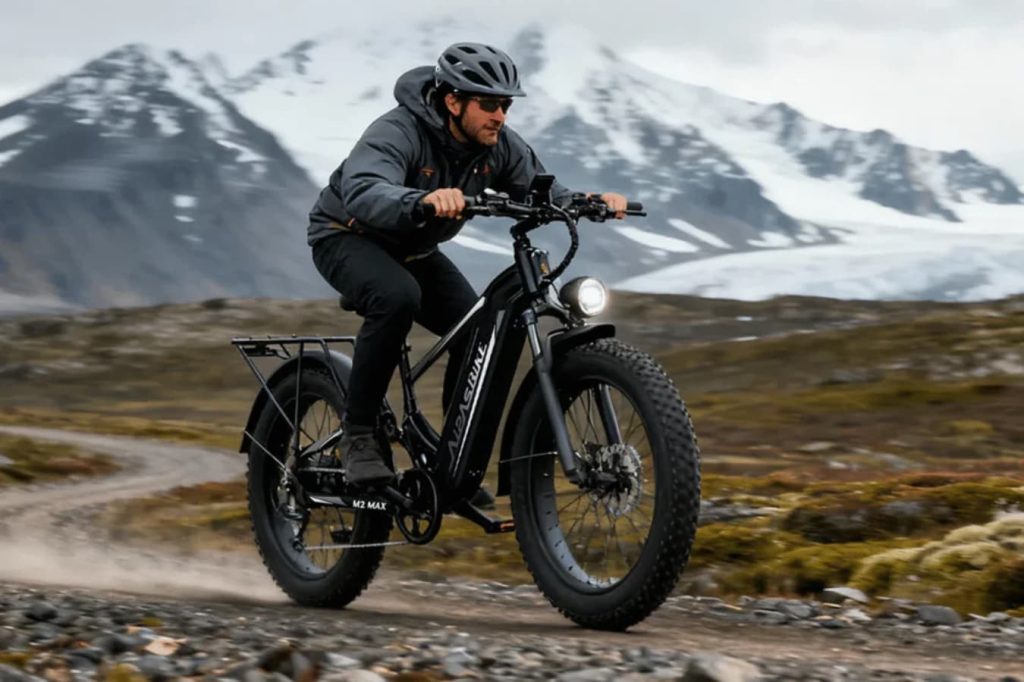
The defendants include Jiangmen Meijiasheng Bicycle Co., Ltd., Shenzhen Aibosi Sport Technology Co., Ltd., Guangzhou Aierfeile Sport Technology Co., LTD., Hong Kong Manchester International Trading Co., LTD., and an individual seller, Tang Shuhui, according to Bicycle Retailer. The complaint also names additional unidentified defendants and cites seven specific e-bike models sold under the Aipas and A4 brands, some of which were allegedly sold directly through Amazon.
According to the filing, the companies not only infringed UL’s trademarks, but also violated Amazon’s seller agreements and misled consumers by falsely implying that their batteries and electrical systems met certified safety standards. Amazon and UL are seeking damages, along with the impoundment and destruction of products bearing the counterfeit marks.
To understand why this matters so much in the e-bike industry, it helps to look at how UL compliance has evolved in the e-bike world. Over the past several years – particularly following rare but high-profile lithium-ion battery fires – UL standards such as UL 2849 (for complete e-bike electrical systems) and UL 2271 (for battery packs) have become central to safety discussions, regulations, and retail requirements. Cities, landlords, insurers, and marketplaces increasingly demand UL-certified products before allowing sales or use.
This isn’t the first time that shady retailers have slapped on “UL-certified” labels despite their products not actually carrying that certification, and it’s indicative of a growing fraud trend among unscrupulous retailers.
The key distinction many consumers miss though is that UL is not just a standards body. While UL publishes safety standards, only UL’s for-profit certification arm can authorize the use of UL trademarks. Independent third-party labs can test products to UL standards, but companies cannot legally claim “UL-certified” or use UL logos unless UL itself has granted certification. In such cases, you will usually see products listed as “UL compliant” or “certified to UL standards by third-party testing”, etc. This doesn’t mean they’re less safe, and major international testing organizations like SGS perform these types of UL compliance testing every day, but there is a distinction when it comes to labeling and marketing, since UL’s for-profit branch uses the sale of its certifications to fund itself and fiercely protects its rights against infringement.
In this case, it’s not clear whether the batteries or e-bikes named in the lawsuit actually underwent third-party testing or certification, or whether they merely appropriated UL’s trademarks without any testing. But either way, it’s safe to say the products weren’t UL-certified, as they claimed on their sales pages.


FTC: We use income earning auto affiliate links. More.