[ad_1]
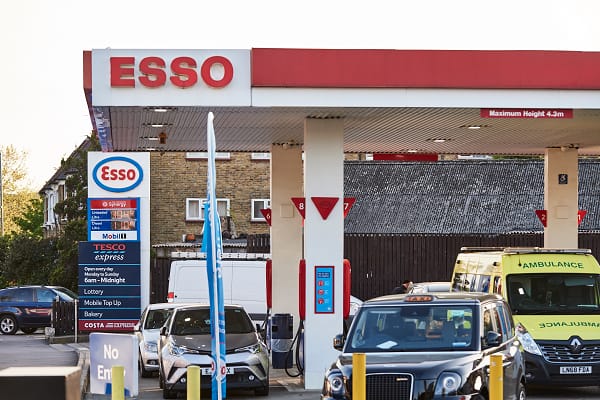
Millions of drivers across the UK are facing the highest petrol and diesel prices in 18 months, with significant increases in filling-up costs.
According to new figures from the RAC, the average price of unleaded petrol has risen to 140.6p per litre, marking a six per cent increase—almost 8p per litre—since the end of February.
Diesel prices have surged even faster, reaching an average of 159.2p per litre. This represents a 12 per cent jump in just two weeks and is the highest level since November 2023.
Many households are already feeling the impact; the RAC estimates that filling a typical family car now costs approximately £4 more for petrol and £9 more for diesel than it did at the end of February.
For context, petrol averaged 132.83p per litre on February 28, illustrating how quickly costs have escalated.
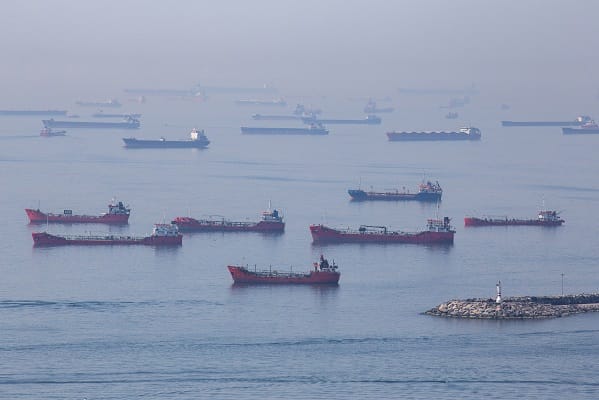
Motoring experts attribute this surge largely to global energy tensions. Oil prices have exceeded $100 (£75) per barrel, with instability in the Gulf region disrupting markets and driving up wholesale fuel costs, which are then passed on to consumers at the pumps.
Simon Williams, head of policy at the RAC, cautioned that these rising costs are placing additional financial pressure on families already struggling with their budgets. “Households, especially those that rely on their cars, are increasingly burdened as a result of the conflict in the Gulf,” he said.
The rapid rise in fuel prices at stations has raised concerns among campaigners. Williams emphasised that drivers should expect fair pricing when filling up. “Drivers deserve—and should expect—to be treated fairly, particularly as pump prices continue to climb,” he stated.
The campaign group FairFuelUK reported that many motorists believe fuel retailers are raising prices too swiftly. In a survey conducted between March 5 and March 12 of more than 23,000 drivers, 43.4 per cent said they noticed fuel prices rising at stations even when the fuel was already in stock, while 51.7 per cent were unsure. Among those who observed price increases, most attributed them to major oil company forecourts. Nearly 90 per cent of respondents (89.2 per cent) indicated that brands such as Shell, BP, Esso, and Texaco were charging the highest prices.
The survey also explored how motorists might respond if prices increased by another 20p per litre. More than 72 per cent said they would cut back on leisure spending, such as dining out and entertainment. Additionally, 61.4 per cent mentioned they would switch to cheaper food brands, while over 54 per cent indicated they would use supermarket petrol stations more frequently to find lower prices. Nearly 44 per cent said they would reduce commuting, and 38.1 per cent stated they would rely more on public transport if prices continued to rise.
Some responses highlighted deeper concerns about everyday life, with around 22.7 per cent indicating they would visit friends and relatives less often, and 11.4 per cent warning they might have to reduce trips to hospitals or medical appointments.
Drivers are also calling for government intervention. The survey found that 97.4 per cent of motorists want fuel duty cut by at least 10p per litre. Howard Cox, founder of FairFuelUK, criticised the Petrol Retailers Association for withdrawing from talks with Chancellor Rachel Reeves at Downing Street.
The association claimed it withdrew due to comments from ministers that led to petrol station staff facing public abuse. However, Cox accused the organisation of running away from scrutiny. “Avoiding this meeting suggests the PRA has something to hide. Profiteering is widespread, and the fuel supply chain must be held accountable without question,” he asserted.
[ad_2]
Source link