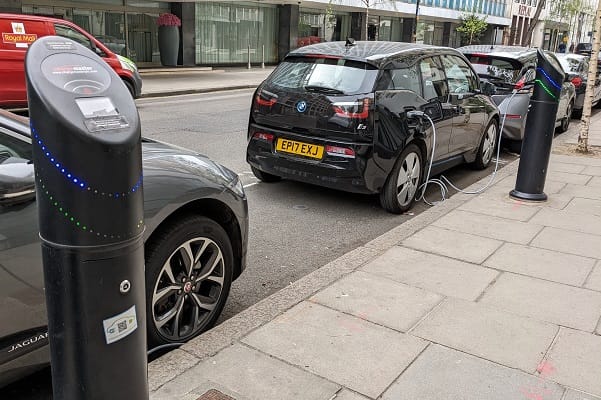
The shift towards electric vehicles (EVs) is more than a mere trend; it’s a worldwide movement gathering pace, reshaping personal and corporate transportation landscapes.
In this guide, we will explore the growth of EV fleets, the government policies promoting their adoption, and how electric vehicle salary sacrifice schemes work to benefit both employers and employees. It’s a transformative time for fleet management, and we’ll delve into the financial and environmental implications of this shift.
The Rise of EV Fleets
The commercial landscape is witnessing an unprecedented increase in EV fleets, primarily driven by companies’ sustainability commitments and growing financial advantages.
Taking a closer look at the statistical landscape reveals a compelling narrative. According to the Society of Motor Manufacturers and Traders (SMMT), the total number of electric cars, including fleet cars, on UK roads surpassed 815,000 by the end of June 2023. On a global scale, Bloomberg New Energy Finance predicts that by 2040, 58% of global passenger vehicle sales will come from electric vehicles, many of which are used in fleet operations.
Additionally, major companies like Amazon and FedEx have announced ambitious plans to electrify their fleets. Amazon aims to have 10,000 electric delivery vans on the road by 2022 and 100,000 by 2030. Meanwhile, FedEx plans to become fully electric by 2040.
While not all companies have such large fleets as Amazon and FedEx, the electric revolution will reshape companies of all shapes and sizes. For some, the extension of the UK’s Ultra Low Emission Zones will prompt a swift transition of car and van fleets to electric alternatives. The underlying motivations for this shift are not exclusively environmental. As we explore below, financial incentives and favourable government policies play a substantial role.
Government policies and initiatives
Government support has been instrumental in driving the shift towards electric vehicles. In the UK, the government’s Road to Zero strategy ensures that all new cars and vans are effectively zero emission by 2040. This support extends to business and fleet operations, with various grants and schemes available to promote the adoption of electric vehicles.
Notably, the government’s Workplace Charging Scheme provides grants to install electric vehicle chargepoints at businesses, charities, and local authorities. These financial incentives can significantly reduce the initial investment needed for companies considering an electric fleet.
The UK government has also introduced an additional incentive directly targeting employees. An Electric Vehicle salary sacrifice scheme is an innovative way to reduce business operating costs and encourage employee engagement in sustainable practices. Let’s dive a little deeper into what this scheme offers.
Electric vehicle salary sacrifice scheme
First, it’s essential to understand the fundamentals of EV salary sacrifice. It works just like a bike-to-work scheme: employees forgo a portion of their pre-tax salary in exchange for a new electric car. For businesses, this can present a savvy and environmentally conscious approach to reducing their fleet’s operating costs – while saving their employees 30-60% on a new electric car.
But the benefits continue beyond cost savings. Implementing a salary sacrifice scheme can increase employee satisfaction as it offers staff access to electric vehicles at a lower cost than if they were to lease or buy independently. Additionally, because salary sacrifice reduces an employee’s gross salary, they pay less Income Tax and National Insurance.
Furthermore, businesses can claim back the VAT on leased vehicles used for business purposes, resulting in significant savings over the length of the vehicle’s lease.
Regarding the environmental impact, electric vehicles produce zero tailpipe emissions, contributing to the overall reduction of your business’s carbon footprint. This can significantly showcase your company’s commitment to sustainable practices and corporate social responsibility, enhancing your brand’s image.
The EV Salary Sacrifice Scheme is an appealing initiative for businesses and employees. However, the successful implementation of such a program requires careful planning and management to ensure it aligns with the specific needs of your business and staff.
Financial and environmental benefits for businesses
Embracing electric vehicles within your company’s fleet isn’t just a matter of environmental stewardship—it’s also a wise financial move.
EVs typically have lower running costs than their internal combustion engine (ICE) counterparts. The cost of electricity for EVs is generally less than the cost of petrol or diesel, and this difference can lead to significant savings over the life of a fleet vehicle. Furthermore, electric cars require less maintenance than ICE vehicles, as they have fewer moving parts and don’t require oil changes.
Regarding environmental benefits, switching to an electric fleet can significantly reduce a company’s carbon footprint. According to the GHG Protocol, Scope 3 emissions, which include indirect emissions from activities like transportation and distribution, can make up a significant portion of a company’s total emissions. Companies can drastically cut their Scope 3 emissions by switching to an electric fleet.
Moreover, reducing Scope 3 emissions can also lead to financial benefits. Many businesses must purchase carbon offsets to compensate for their emissions, which can be a substantial expense. By reducing emissions through an electric fleet, companies can lower the cost required for carbon offsetting.
Conclusion
Establishing an electric vehicle fleet is a financially and environmentally wise business decision today. The transition is becoming increasingly affordable through government initiatives such as EV salary sacrifice schemes, leading to reduced carbon emissions and significant financial savings. The electric vehicle revolution is not on the horizon; it’s already here – and companies that embrace this change will stand out above the rest.