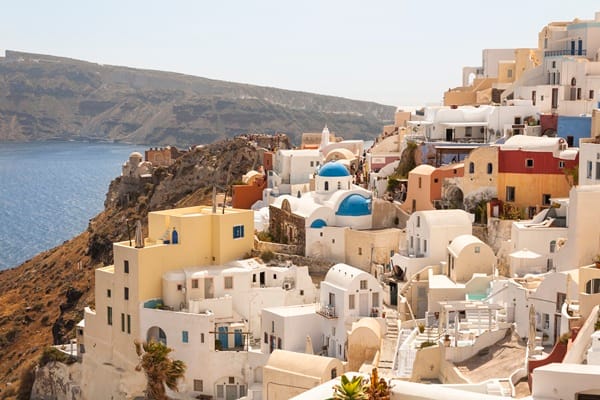
The UK has long looked to Greece through a familiar lens: sunshine, island airports and a packed summer flight schedule. Yet Greece’s tourism story has started to look more like a business story—one built on regeneration, upgraded hospitality, and service sectors designed to perform beyond the peak months.
That shift is increasingly visible in the full “destination package” surrounding travel and entertainment. In Greece, the mix now spans conference capacity, waterfront redevelopment and integrated resort planning—where a Greek casino can appear as just one component alongside hotels, venues, restaurants and wider visitor services, rather than the headline attraction.
The hard numbers that underpin renewed confidence
Investors tend to pay attention when leisure demand becomes reliable enough to support long-term planning. Greece has been posting strong figures that help explain the growing pipeline of hospitality and mixed-use projects. Bank of Greece data show travel receipts of €21.7bn in 2024, with a travel balance surplus of €18.9bn. Those figures matter because they translate the idea of “tourism demand” into something more tangible: recurring revenue flowing through transport, accommodation, retail and local services.
For UK businesses, the takeaway is not simply that more people are visiting. It’s that steady visitor volume can justify the kind of infrastructure and commercial development that only makes sense when demand is sustained.
Typical knock-on effects include:
- improved airport and regional transport capacity
- higher-spec hotels and branded residences
- event and conference venues that extend the season
- digital services that support bookings, ticketing and concierge-style planning
In short, leisure becomes a foundation for broader investment rather than a seasonal bonus.
Regeneration as a modern destination strategy
A notable trend in Greece is how large projects are being framed: not as stand-alone sites, but as districts meant to attract multiple types of visitor spending—short breaks, long stays, events and premium dining.
The Athens Riviera as a case study
The Ellinikon redevelopment on the former Athens airport site has attracted international attention because it reflects this “multi-revenue” model. Within the wider plan, the Integrated Resort Complex concept includes a 5-star hotel, conference and exhibition facilities, and entertainment elements. Whether visitors come for business travel or leisure, the economic logic is the same: bring activity into one ecosystem and let multiple revenue streams reinforce one another.
That approach is familiar to London investors. It mirrors the way many UK developments are now positioned—especially those where hospitality, events and residential elements sit together rather than in isolation.
What it means for the supply chain
These projects rarely benefit only the headline developer. They create work for a wide circle of suppliers and specialists, including:
- design, fit-out and specialist build partners
- energy systems and building management technology
- facilities operations and staffing models
- digital customer experience tools (from reservations to venue scheduling)
For UK SMEs, this is often where the opportunity is most realistic: exporting expertise rather than buying physical assets.
The new competitive edge is clarity, not hype
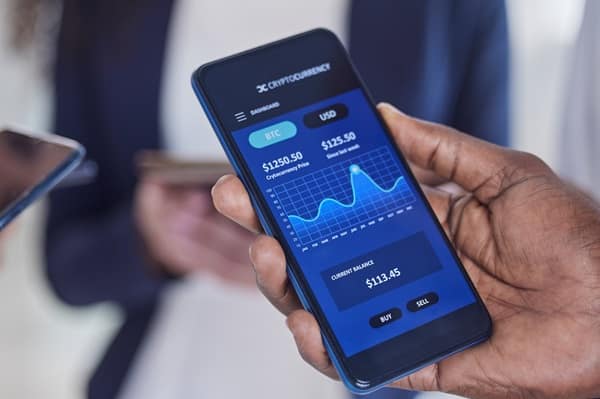
In a mobile-first travel economy, credibility isn’t won through big promises. It’s won through the basics being done properly. Visitors make fast decisions on small screens, often while comparing options side by side, so services that feel stable and well-organised tend to perform better.
Across travel and leisure, “trust” is usually experienced through:
- clear information and straightforward user journeys
- consistent performance across devices
- customer support that is easy to find
- systems that don’t surprise people at the final step
This is one reason Greece’s current phase is so commercially interesting. As the visitor economy professionalises, operators are pushed to deliver predictable, high-quality experiences—because consumers increasingly expect the same smoothness they get from airlines, banks and global booking platforms.
From holidays to longer stays and business travel
Greece’s tourism strength still peaks in summer, but the overall story is broadening. Remote work patterns, city breaks, and off-season travel have changed what “demand” looks like across the calendar.
Longer stays create different spending
When visitors stay longer, the local economy benefits differently. It’s less about day-trip spending and more about repeat purchases: supermarkets, co-working spaces, local transport, gyms and everyday services. That shift encourages investment in year-round infrastructure rather than purely seasonal capacity.
Events become a growth lever
Destinations that invest in conference and exhibition capacity are effectively bidding for a different kind of visitor—corporate travel and scheduled events that can be more predictable. That matters for commercial planning because it helps stabilise footfall and smooth out seasonal spikes.
From a UK business standpoint, this changes the conversation. The opportunity is no longer only hospitality and property. It also includes the services that support modern destination management: digital booking tools, operations, training, and customer experience design.
What UK firms can learn and apply quickly
Greece is demonstrating a playbook London understands: build destination districts that blend hospitality, experience, real estate and services, then let the supplier ecosystem grow around them.
For UK companies, the practical question is where your capability sits in the chain:
- infrastructure upgrades and energy systems
- hotel delivery and operations
- event-focused venues and scheduling
- digital platforms that improve customer journeys
It is also a reminder that “leisure economy” is not a niche category anymore. It overlaps with property, tech, logistics, marketing and professional services—and it increasingly attracts international partnerships when the numbers support it.
To keep the assessment grounded, many UK businesses start by reviewing market overviews and sector breakdowns before committing resources. That is where UK trade guidance can be useful: it helps frame which industries are active, which cities are growing, and what kinds of partnerships tend to appear first.
The bigger picture for London’s business audience
Greece’s current momentum is not just a sunny headline. It is a working example of how destinations build investable ecosystems. Strong travel receipts help justify infrastructure improvements; regeneration projects encourage supply chains; and better year-round planning attracts more stable forms of demand.
For London-based firms, that is the real signal. Greece is showing how leisure can become an organising principle for investment—one that supports a wide mix of commercial activity, from construction systems to digital services, long before a visitor ever checks into a hotel.
Please play responsibly. For more information and advice visit https://www.begambleaware.org
Content is not intended for an audience under 18 years of age