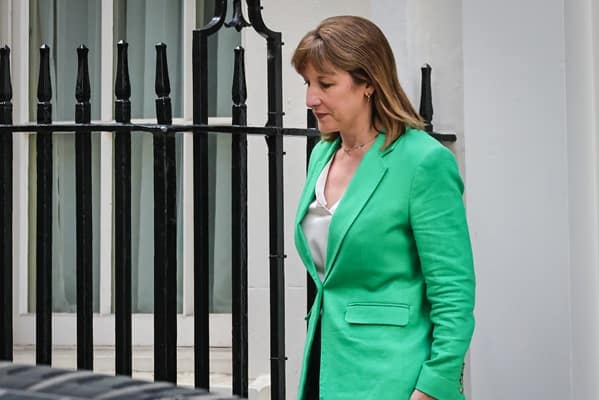
The countdown to the Budget later this month is contributing to a sense of doom amongst business leaders, which is fair, given they absorbed the bulk of last autumn’s £40bn fiscal adjustment.
But fears over what Rachel Reeves is planning isn’t the only challenge freezing business growth.
Every week, I speak with SME owners who tell me the same thing: they need funding urgently, but every door they knock on seems to slam shut.
The rejections pile up, the frustration mounts, and inevitably, they conclude that lenders simply aren’t lending.
The numbers bear out their frustration. The Federation of Small Businesses reports that only one in ten small businesses rate the availability and affordability of finance as good, with over half rating it as poor.
A staggering one in five businesses who successfully applied for credit were offered interest rates above 20 per cent.
But lenders are lending. The uncomfortable truth is that the problem isn’t just about market conditions – it’s preparation.
The statistics are sobering. Fewer than 40 per cent of UK SMEs have a formal business plan, and nearly a third of those admit their plan is not kept up to date. We’re talking about businesses with turnovers in the millions operating on little more than gut instinct and bank balance monitoring.
This isn’t just poor practice – it’s a funding death sentence.
Lenders aren’t looking for perfect businesses. They’re looking for businesses that understand themselves. A company with a clear plan, realistic projections, and an honest assessment of its challenges will always trump a more profitable business that can’t articulate where it’s going or how it plans to get there.
The worst time to ask for money is when you need it. Desperation is the enemy of successful fundraising. Lenders can smell desperation, and they price accordingly – if they’ll lend to you at all. And in a market where businesses are being quoted interest rates of 20 per cent or more, that premium for poor planning is eye-watering.
Consider the seasonal business owner who waits until November to seek Christmas trading finance. By then, alternative lenders are swamped with applications, their risk appetites are constrained, and pricing reflects the urgency premium. The smart operator started this conversation in July, when they had time to explore options, negotiate terms, and put facilities in place before they needed them.
Your business plan doesn’t need to be a 50-page document. But it does need to answer three fundamental questions: where are you now, where are you going, and how will you get there? If you can’t answer these clearly and with supporting numbers, you’re not ready to access capital.
The businesses that consistently access capital on favourable terms share common characteristics: they maintain regular management accounts, understand their key performance indicators, and can articulate their financing requirements months in advance. They don’t seek emergency funding; they arrange facilities as part of strategic planning.
The irony is that developing these capabilities often reveals that external funding isn’t needed at all. Proper cash flow forecasting might show that a perceived crisis is actually a short-term timing issue that can be managed internally.
When businesses do need external funding, this preparation transforms the conversation. Instead of begging for emergency cash, you’re presenting an investment opportunity. Instead of accepting whatever terms are offered, you’re negotiating from a position of strength.
While we wait for Budget clarity, UK businesses would be better served addressing the preparation deficit that holds them back regardless of whatever tax changes the Chancellor announces.
Alex Fenton is a partner at Funding Bay/FBX Capital, a specialist corporate and commercial finance advisory firm that helps UK SMEs fundraise, restructure and ensure their debt financing is fit for purpose. A seasoned fintech entrepreneur, Alex has helped deploy over £1bn into the UK economy, first as a leading fintech lender, and now as a trusted advisor guiding Britain’s businesses through today’s complex financial landscape.