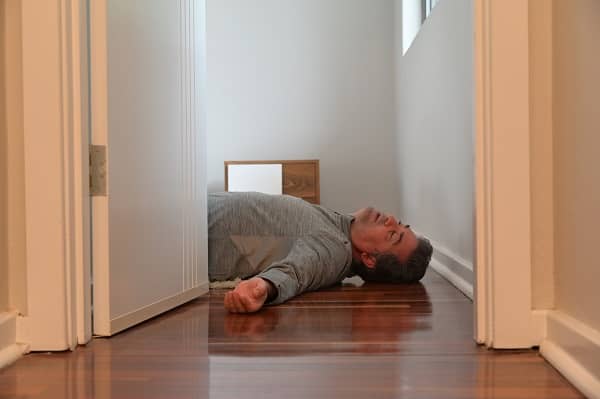
When you find yourself dealing with premises liability issues, it’s vital to understand how comparative negligence can impact your case. Imagine slipping on a wet floor in a store and questioning who’s really at fault—you or the store owner? That’s where things can get tricky. If you think that factors like negligent security played a role in your accident, then connecting with a negligent security lawyer could be your next best step. They can help untangle the web of responsibilities and ensure your interests are represented, making the whole process feel less daunting and more manageable.
Understanding the basics of comparative negligence
Comparative negligence is like a pie, where each party involved in an accident gets a slice representing their level of fault. This legal concept helps determine how much compensation is awarded and to whom. In simpler terms, it’s about figuring out who did what—and how much they should pay for it.
In the realm of premises liability, comparative negligence comes into play when multiple parties share responsibility for an accident. For instance, if someone slips and falls on a wet floor, both the property owner and the victim might be partially at fault. Understanding this division of responsibility is key to determining how compensation is distributed.
There are different types of comparative negligence systems—pure and modified. In a “pure” system, even if a party is found mostly at fault, they can still recover some damages. On the other hand, a “modified” system has a threshold, typically 50% or 51%, which, if exceeded by a plaintiff, bars them from recovering any compensation.
Application of comparative negligence in premises liability cases
When it comes to applying comparative negligence in premises liability cases, things can get a bit murky. Imagine a scenario where a visitor trips on a loose carpet at a friend’s house. The homeowner may claim the visitor wasn’t paying attention, while the visitor insists the carpet was an obvious hazard. Here, both parties might bear some responsibility for the accident.
In such cases, the court evaluates the actions of each party to determine their respective levels of fault. This assessment hinges on evidence, testimonies, and expert opinions. The outcome can significantly affect the compensation the injured party receives.
Comparative negligence requires a nuanced approach, as it often involves weighing subjective elements. A skilled lawyer can make all the difference, helping to gather evidence and build a strong case that accurately reflects the circumstances of the incident.
The impact of comparative negligence on compensation
The influence of comparative negligence on compensation is akin to a seesaw; as one party’s fault increases, their share of the compensation decreases. For accident victims, this means their potential recovery hinges on the degree of fault assigned to them.
In premises liability cases, the compensation awarded depends on the percentage of fault attributed to each party. If a victim is deemed 30% responsible for their own accident, their compensation would be reduced accordingly. Instead of receiving the full amount, they’d get 70% of the total damages.
This division of fault and compensation underscores the importance of thorough investigation and documentation. The more compelling the evidence, the better the chances of securing a favorable outcome for the injured party.
Strategies for personal injury lawyers in cases of comparative negligence
- Thorough evidence collection: Gathering comprehensive evidence is paramount. This includes accident reports, witness statements, photographs, and video footage, which help establish a clear narrative and minimize their client’s perceived fault.
- Expert witness involvement: Engaging experts in fields such as accident reconstruction, medical care, and occupational safety can offer authoritative insights. Their testimonies can lend credibility to the client’s claim and clarify technical aspects of the case.
- Precise fault analysis: Lawyers meticulously analyze all parties’ actions leading up to the accident. This involves reconstructing the sequence of events, identifying contributing factors, and highlighting any negligence on the opposing side.
- Practical negotiation skills: Negotiating settlements with insurance companies requires a balanced approach. Lawyers must be prepared to advocate fiercely for their client’s best interests while remaining open to reasonable compromises.
- Tailored legal arguments: Crafting compelling, fact-based legal arguments tailored to the case’s specifics can help reduce the client’s perceived level of fault. Persuasive storytelling, backed by evidence, is a powerful tool in the courtroom.
- Preparedness for trial: While many cases settle out of court, being prepared for trial ensures that the lawyer can present a robust and well-organized case if necessary. This readiness can also serve as leverage in settlement talks.
Responsibilities of property owners in mitigating liability
1. Regular inspections
Property owners should conduct routine inspections of their premises to identify potential hazards. This involves assessing common areas, parking lots, and walkways for maintenance needs, structural issues, or environmental dangers. Keeping a detailed record of inspections, including dates and findings, can serve as evidence of proactive risk management.
2. Maintenance and repairs
Upon identifying hazards, owners must promptly address them through proper maintenance and repairs. This includes fixing broken staircases, repairing leaking roofs, and addressing any electrical faults. Timely intervention ensures safety and demonstrates the owner’s commitment to preventing accidents.
3. Implementing safety protocols
Instituting clear safety protocols is essential. These protocols may include installing appropriate signage for wet floors, ensuring adequate lighting in dim areas, or implementing security measures. Training staff and residents about these protocols further reinforces a culture of safety and vigilance.
4. Updating building codes and compliance
Staying informed of updates to local building codes and regulations is crucial. Property owners should ensure their premises comply with the latest standards. Compliance prevents legal repercussions and minimizes injury risks by adhering to best practices in safety and construction.
5. Insurance coverage
Adequate insurance coverage is a crucial aspect of liability mitigation. Property owners should review their insurance policies regularly to ensure they have sufficient coverage specific to their property type and use. This offers a financial safety net in case of accident claims, protecting the owner’s assets.
6. Legal consultation
Consulting with legal experts periodically can assist property owners in understanding their liabilities and responsibilities under current laws. Legal advice can help identify potential vulnerabilities in property management and offer strategies to enhance safety and compliance.
7. Emergency preparedness plans
Comprehensive emergency preparedness plans are essential for responding to unexpected situations like natural disasters. These plans should include evacuation routes, emergency contact numbers, and access to emergency services, ensuring quick and organized responses to protect occupants.