London is one of the world’s busiest and most diverse cities, attracting millions of residents, tourists, and immigrants each year. Yet many ask: is London safe? Media headlines, anecdotal reports, and high-profile incidents can make the city seem more dangerous than it actually is. By comparing official crime data with public perception, we can better understand the realities of safety in London.
Is London safe? Understanding the difference between perception and reality
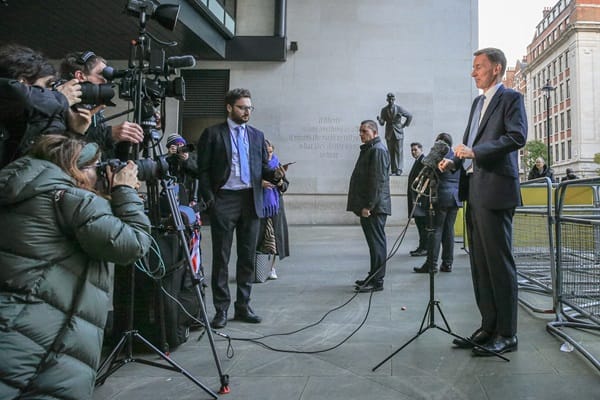
Public perception often overestimates the risk of crime in London. Tourists and residents may be influenced by news stories about violent incidents or protests, but official statistics show that most areas experience low levels of serious crime. Petty theft, bicycle theft, and antisocial behaviour including disruptive and sometimes violent rallies (pro-Palestine, anti-Semitic for instance) remain the most common offences, while violent crime is concentrated in specific boroughs and rarely affects everyday routines.
For immigrants, the question of is London safe can feel more personal. Factors such as neighbourhood, cultural community, and housing security can influence experiences of crime. Awareness of local conditions and participation in community networks can improve both actual and perceived safety.
Crime statistics: What the data tells us
Official data from the Metropolitan Police shows that overall crime in London has fluctuated over recent years, with some categories decreasing while others, such as cybercrime, have increased. Petty theft, fraud, and burglary remain the most common offences. High-profile violent incidents, though rare relative to the city’s population, often dominate public perception.
Certain boroughs report higher crime rates. For example, inner-city areas such as Camden, Hackney, and Lambeth experience more reported offences than outer suburbs like Richmond or Kingston. However, most crimes reported in high-density areas are non-violent, such as bicycle theft or antisocial behaviour, which disproportionately affects residents and visitors’ perception of safety.
Media coverage vs. reality
Media coverage of crime can amplify fear. Sensational headlines about muggings, stabbings, or public disorder often give the impression that London is unsafe, even though such incidents represent a tiny fraction of total crime. Tourists or immigrants reading these stories may overestimate their risk.
Social media further amplifies selective reporting, where individual experiences or viral videos shape the collective narrative. While these accounts should not be dismissed, relying on official data provides a more accurate view. Understanding the difference between perception and reality helps individuals make informed decisions about travel, residence, and daily life.
Transport, tube and public spaces
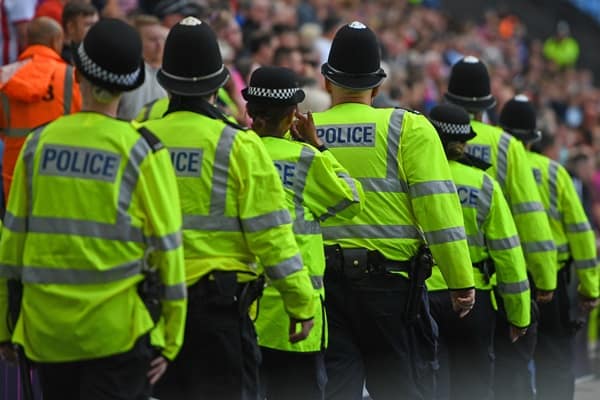
Transport hubs such as the London Underground, bus networks, and train stations are generally safe and heavily monitored with CCTV and security personnel. Most crime reported in these areas involves petty theft rather than violence.
Public spaces, including parks, squares, and shopping districts, are safe during the day. After dark, some areas may feel less secure, particularly in neighbourhoods with higher crime reports. Tourists and immigrants alike benefit from planning routes, using well-lit streets, and avoiding isolated areas at night. Awareness and preparation are key to mitigating risk.
Immigrants, crime, and daily life
Immigrants may experience safety differently from tourists or long-term residents. Housing fraud, employment scams, and occasional racial harassment can impact their sense of security. While serious hate crimes are rare, reporting mechanisms and community support are widely available.
Engaging with local councils, cultural organisations, and neighbourhood networks can improve both perceived and actual safety. Immigrants who understand local crime trends and follow recommended precautions often find that daily life in London is largely secure.
Risk by neighbourhood is not insignificant
Where you live in London significantly influences safety experiences. Central boroughs such as Westminster, Camden, and Kensington have lower rates of serious crime, although petty theft remains common in tourist-heavy areas. Outer boroughs like Newham, Lambeth, and Hackney report higher incidents of burglary or antisocial behaviour but remain manageable with awareness and standard safety practices.
Choosing accommodation in well-monitored areas, verifying rental agreements, and engaging with the local community can significantly reduce exposure to crime for both residents and immigrants.
Practical steps to stay safe in dangerous London
Despite the data showing relatively low risk, simple precautions are essential. Keeping valuables secure, being aware of surroundings, and using licensed taxis or ride-share apps reduces exposure to petty crime. Planning travel routes, particularly at night, and monitoring local news or police alerts ensures awareness of any temporary disruptions or demonstrations.
Using online safety resources, registering with local neighbourhood watch schemes, and connecting with community networks also enhances security. Immigrants and tourists who take these steps benefit from both actual safety and confidence in their environment.
Does the data reflect reality – Is London safe?
So, is London safe based on data versus perception? While media reports and social media often make London appear riskier than it is, official statistics show that crime is concentrated in specific areas. Violent crime is rare, and with basic precautions, both tourists and immigrants can navigate the city safely.
Understanding the difference between perception and reality is crucial. Awareness of crime trends, trusted services, and participating in supportive community networks allow residents and visitors to enjoy London confidently. London remains a vibrant, diverse city with excellent public safety infrastructure, where informed planning can make daily life secure and enjoyable.