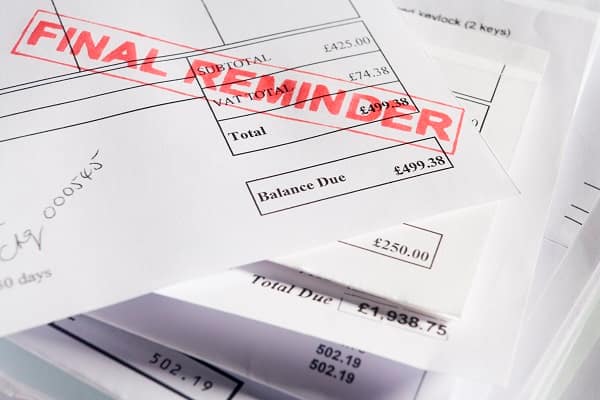
Late payments can start small. One invoice misses its due date, and a polite reminder goes unanswered. Soon, cash flow tightens, and you focus more on chasing unpaid money instead of growing your business.
In the UK, many business owners face delayed payments. A recent survey found that 90% of UK businesses have experienced this issue, with SMEs feeling the impact the most through disrupted cash flow and daily operations.
When payments stop, it becomes hard to predict cash flow, supplier commitments feel uncertain, and there’s pressure to make payroll. Addressing delays quickly and having clear communication with clients helps protect your cash flow, reputation, and long-term success.
This guide will show you practical steps to handle delayed payments professionally. By addressing payment issues effectively, you can keep your business on track.
The true impact of late payments
Delayed payments can harm your bank accounts and disrupt your daily operations and long-term plans.
- Supplier Issues: Uncertainty about when payments will be received can delay your supplier orders.
- Hiring Delays: You may need to pause hiring new employees, which can slow your business growth.
- Budget Cuts: With unpaid invoices, marketing and operational budgets shrink.
These issues can lead to low morale among your team, increased stress, and a drop in operational efficiency. When your income is unpredictable, you tend to make decisions in reaction to problems instead of planning.
What are some common causes of delays
Understanding why clients pay late helps you solve the main issues before they become bigger problems.
Problems with invoice clarity:
- Missing purchase order numbers delay approval processes.
- Vague service descriptions lead to questions.
- Incorrect company information causes administrative delays.
Unclear payment terms:
- Undefined payment timeframes create confusion.
- No late payment charges reduce the urgency of settling debts.
- Unclear payment methods make transactions unmanageable.
Client cash flow pressure:
- Rising costs often lead clients to delay smaller invoices first.
- Internal approval delays can also slow payment.
Identifying these patterns early will help you fix problems before they arise and keep payments on schedule.
How to build an invoicing process that works
To build an invoicing process, do the following:
1. Establish a clear payment process
To avoid late payments, send invoices right away and make your terms clear. Include:
- Payment deadlines
- Accepted payment methods
- Penalties for late payments
2. Keep it simple
Use precise language and provide specific references. A thorough explanation will help the client understand the cost breakdown and the expected payments.
3. Track and monitor payments
Choose someone to handle invoicing and track follow-ups. Using a digital invoicing tool can make the process easier, reduce confusion, and ensure a professional look.
A good invoicing system sets clear expectations and builds trust. It shows clients that payments are necessary obligations.
How to follow up professionally
You don’t need to make anyone uncomfortable. Sending clear and timely reminders is effective. Just include the key information:
- Payment deadline
- Amount due
- Reference number
Use polite language. Avoid blaming anyone; focus on straightforward and emotion-free communication. Always keep records of reminders, responses, and even promises. This helps protect your business while maintaining a positive relationship.
When to escalate payment issues
If payment delays happen, it’s important to deal with them. Many business owners worry about upsetting clients or damaging relationships when they ask for payment.
“Many businesses hesitate to escalate overdue invoices, not because the debt is insignificant, but because they fear damaging a long-standing relationship,” explains an expert from a commercial debt collection firm. Handled correctly, however, recovery is about protecting cash flow, preserving trust, and showing that your business takes payment seriously.
Getting support from third parties helps organise the process. Neutral communication reduces emotions. Experienced managers usually recover funds more quickly without going to court.
Understanding your legal rights
In the UK, businesses can charge interest and set fixed fees on overdue invoices. The Late Payment of Commercial Debts law protects your business by:
- Allowing you to charge interest on late payments.
- Letting you apply fixed fees for collecting debts.
Knowing your rights helps you in discussions about payments and can help you solve issues faster.
Protecting your reputation while collecting
To manage your reputation well, start by communicating clearly. Show your clients that you are reliable by following the same procedures each time. Treat every client fairly.
By using clear processes, you build stronger relationships with your clients. This shows you are a professional who values their business and your own.
Conclusion
Late payments can harm your business if you don’t handle them fast and professionally. To protect your business, cash flow, and reputation, set up clear systems and act fast using structured recovery processes.
Don’t let late payments hinder your growth. Use this guide to regain control and focus on what matters: growing your business.