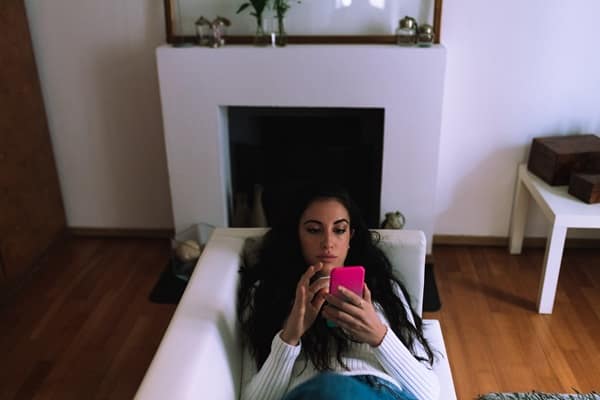
Smartphones are changing faster than most people realize. A device that once only made calls – now connects almost every part of daily life. In 2025 – the modern smartphone is more than a gadget. It is a personal assistant, a payment tool, a health tracker and an entertainment hub.
This shift is not only about convenience. It is about how people in the Netherlands and beyond now live through a small screen that never leaves their pocket. Let’s take a closer look at how smartphones connect everything today, from work and health to entertainment and even activities like gambling that are now shaped by regulation.
Smartphones as the centre of communication
Calls and texts remain but they are no longer the main feature. Messaging apps, video calls and instant file sharing dominate daily communication. Families use group chats to stay close – while businesses use encrypted apps to share quick updates.
Video calling has become natural. Many Dutch workers no longer think twice about joining a meeting from a train or a café. Smartphones make remote communication simple, and strong mobile networks keep it reliable.
Work in your pocket
Smartphones are now true workstations. Cloud storage gives access to files anywhere. Project management apps keep teams moving without waiting for laptops to open. For freelancers – invoices and payments can be handled in a few taps.
Even office tools that once felt heavy on small screens are now mobile friendly. Word processors, spreadsheets and presentation apps run smoothly on the latest devices. This shift means work is no longer tied to a desk. For better or worse, the office follows you everywhere.
The wallet has gone digital
One of the biggest changes in lifestyle is how people pay. Contactless cards were just the start. In 2025 – Dutch shoppers pay with phones almost everywhere – from supermarkets to buses. QR codes are common, and tap-to-pay works in seconds.
Digital wallets also hold loyalty cards, train tickets, and event passes. For many, carrying a physical wallet has become rare. Safety features like biometric ID give people confidence that their money is protected.
This convenience is also used for online services. Subscriptions, shopping, and even entertainment platforms often connect directly with mobile wallets. Some use it for fun activities like gaming or CRUKS gambling, where regulations in the Netherlands add extra layers of protection.
Health and fitness tracking
Smartphones now track more than steps. Connected to wearables, they monitor heart rate, sleep cycles and stress levels. Health apps provide reminders for medication, guide breathing exercises or suggest workouts.
In the Netherlands – many insurers even reward healthy behaviour tracked by mobile apps. The combination of data and daily habits makes the smartphone a silent health coach. For some, it even reduces visits to the doctor by catching early warning signs.
Entertainment anytime, anywhere
Streaming services have become the new television. Dutch commuters watch films or series during train rides. Music, podcasts and audiobooks fill quiet moments with sound. Gaming has also grown and smartphones are now powerful enough for high-quality titles once limited to consoles.
Entertainment has also expanded into other forms. Social media challenges, live streams and short-form videos dominate daily free time. People no longer wait for a set schedule. They consume content in bursts throughout the day.
And entertainment does not stop there. Gambling apps have found a place on smartphones too. Dutch players use them for gambling, but with rules. The CRUKS register tracks play to prevent problems and block access for those who self-exclude. This system makes gambling part of the larger digital lifestyle – fun for some, but managed with care by national regulation.
Smart homes in your hand
Beyond personal use – smartphones now control the home. Lights and security cameras connect to mobile apps. A quick tap can lower blinds – check the front door – adjust the thermostat before arriving home.
Voice assistants that connect to phones respond to commands in Dutch. This makes it easier for families to manage daily routines. The smartphone has become the remote control for modern living spaces.
Navigation and travel made simple
Travel feels easier now with smartphones guiding every step. Maps update with live traffic, train schedules refresh in seconds and translation apps make foreign languages less of a barrier.
In the Netherlands – bike sharing apps and journey planners encourage people to travel in eco friendly ways. Tourists use their phones to find hidden spots in cities like Amsterdam or Utrecht. Without mobile navigation – exploring would be far more difficult.
Shopping has moved online
E-commerce keeps growing and smartphones are the main driver. People in the Netherlands compare and buy directly from their phones. Utilities and electronics arrive at the doorstep after a few taps.
Social platforms now integrate shopping too. A post about sneakers can link directly to a store. This blending of browsing and buying makes the phone the most powerful retail tool.
Education and learning on the go
Students and professionals now use smartphones for constant learning. Online courses, language apps and micro-lessons fit into small breaks during the day. Universities in the Netherlands even upload recorded lectures to platforms designed for mobile viewing.
This change has opened opportunities for lifelong learning. Knowledge is available anytime, anywhere – as long as the internet connection is strong.
Risks of the digital lifestyle
While smartphones connect everything – they also raise challenges. Constant notifications can overload the brain. Screen time affects focus, and endless scrolling reduces sleep quality.
Another risk comes from spending. With one-click payments, it is easy to lose track of money. This is especially true in entertainment apps, including gambling platforms. Dutch regulation through CRUKS helps, but personal discipline remains important.
Balancing benefits with risks is part of the digital lifestyle. Smartphones are powerful but users must stay mindful of how they use them.
Tips for healthy use in 2025
- Set screen limits – Most phones now have built-in tools to track time.
- Use notifications wisely – Only allow alerts that matter.
- Mix digital with nature – Walks, exercise, and outdoor time balance the constant screen.
- Be aware of spending – Small payments add up quickly.
- Learn the rules of online play – If trying entertainment like gambling, understand how CRUKS protects players.
These small steps help make the digital lifestyle sustainable.
Conclusion
The smartphone has become the centre of modern life. It connects work, health, payments, entertainment, travel and even the home itself. In the Netherlands, daily routines now depend on it more than ever.
This convenience also brings responsibility. From online shopping to entertainment like gambling, the smartphone makes access simple, but rules like CRUKS show the need for balance.
The digital lifestyle in 2025 is not about the phone itself. It is about how people use it. When used thoughtfully, it adds value, saves time and opens new experiences. The key is to stay aware, make smart choices and let the device serve life – not the other way around.
Please play responsibly. For more information and advice visit https://www.begambleaware.org
Content is not intended for an audience under 18 years of age