The euro was broadly stable at the start of the week against most major currencies, as traders could remain cautious ahead of a dense calendar of central bank decisions and economic data.
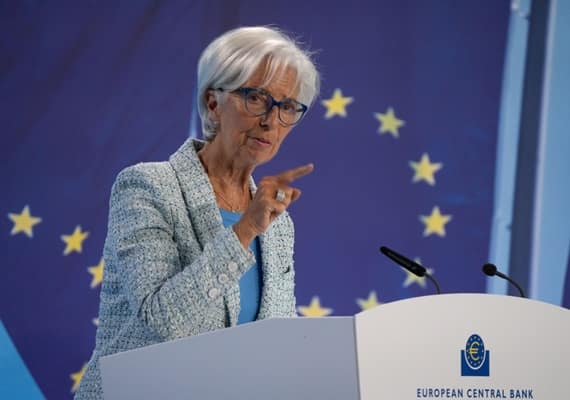
Market focus is firmly on the European Central Bank’s meeting on Thursday, where policymakers are widely expected to keep interest rates unchanged, a stance that could continue to underpin the single currency.
The euro could also find support from stronger economic data. Euro area industrial production posted a 0.8% month-on-month rise in October, while Germany’s wholesale prices accelerated to 1.5% year-on-year in November, the strongest reading since February.
Together with firmer growth in the third quarter and inflation proving stickier than previously anticipated, the data support the case for a cautious stance on rates. Against this backdrop, expectations could continue to shift toward a rate hike later in 2026, which could support the currency. As a result, government bond yields could remain near their multi-year highs.
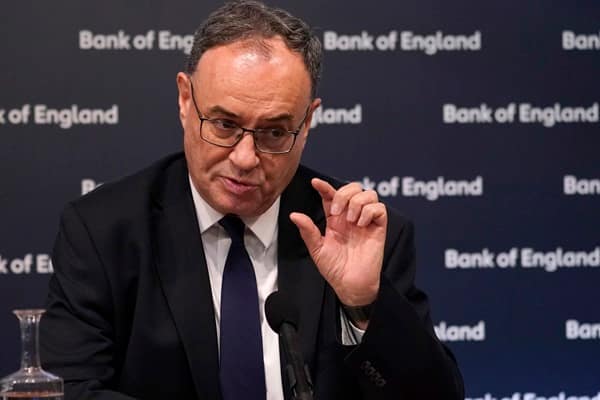
Additionally, the divergence in monetary policy in major blocs could drive the market’s trend further. Expectations that the Bank of England will deliver a 25bp rate cut this week may favour the euro against the sterling, while the dollar could continue to weaken if the Fed delivers on additional rate cuts in 2026 as currently anticipated. However, the yen could offer some resistance as the odds of a rate hike by the BoJ increase.