Energy experts are making a strong case for Rachel Reeves to implement a substantial reversal of fuel duty in this week’s Spring Statement, as a result of escalating oil prices driven by heightened geopolitical tensions in the Middle East.
This urgent plea follows a series of recent strikes executed by the United States and Israel against specified targets in Iran, which reportedly led to the death of Iranian Supreme Leader Ali Khamenei, a significant figure in Iranian politics.
In retaliation, Iran has launched targeted strikes against military installations throughout the region, including bases known to be utilised by Royal Air Force personnel.
Such military engagements have heightened geopolitical uncertainty, causing reactions in energy markets, with Brent Crude Oil prices surging by approximately 7% to slightly above $80 (£60) per barrel. Analysts suggest this price fluctuation reflects investor anxiety regarding potential disruptions in oil supply.
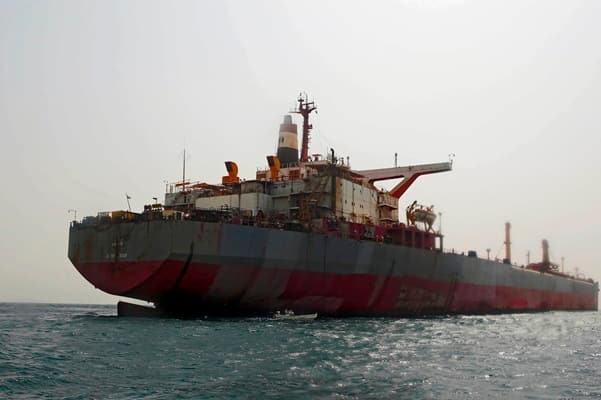
One crucial area of concern for analysts is the Strait of Hormuz, a vital maritime corridor that serves as a primary transit route for global energy exports. Currently, this strait facilitates the passage of roughly one-fifth of the world’s oil shipments, in addition to significant volumes of natural gas.
While Iran has not officially blockaded the waterway, shipping operators are taking precautions by rerouting their vessels to mitigate their exposure to possible missile or drone strikes.
According to industry reports, over 150 commercial ships have anchored in the Strait’s vicinity to minimise movement and remain vigilant amid the evolving security landscape.
Prominent energy market analyst Dmitry Zhdannikov warns that if tensions continue to escalate, oil prices could rise by an additional $10 to $20 per barrel, depending on how supply disruptions unfold.
Should the Strait of Hormuz be blocked, some market forecasts project crude oil prices could soar to nearly $100 per barrel, placing additional financial strain on consumers and businesses alike.
In light of these developments, Howard Cox has called upon the UK government to take immediate action to shield motorists from escalating energy expenses.
His proposals include implementing a freeze on fuel duty for the duration of the parliamentary term and cancelling any planned increases scheduled for the upcoming Autumn Budget.
Cox said: “This move would not only be economically prudent—stimulating GDP growth and alleviating inflationary pressure—but it would also provide some much-needed political relief to this Government, known for its frequent U-turns.
The critical point for all UK politicians to consider is that had the North Sea oil and gas fields been permitted to ‘drill-baby-drill’, our pump prices would not, once again, be so vulnerable in the long term to any conflict in the Middle East.”
This initiative is driven by growing public concern that ongoing global conflicts could eventually lead to higher domestic inflation and transportation costs in the United Kingdom.
Economists are sounding the alarm that persistent instability in the Middle East could usher in further volatility within global energy markets. The ripple effects of this instability are likely to affect not only transport costs but also the broader manufacturing sector and consumer prices, potentially increasing day-to-day living expenses for citizens.