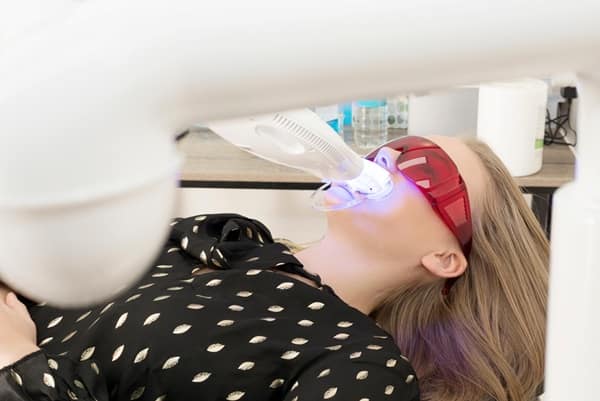
Teeth whitening is one of the most talked about cosmetic dental treatments in the UK. Still, plenty of myths continue to confuse people and often stop them from taking the next step. Some of these ideas come from social media, while others have been passed around for years without much fact behind them.
If you’ve ever felt unsure about whitening because of what you’ve heard, follow along and let’s separate fact from fiction
1. Teeth whitening damages enamel
One of the most common concerns is that whitening strips away enamel. However, when treatments are carried out properly, this is not the case.
Professional whitening products are designed to work on stains within the tooth, not the enamel itself. When used as directed, these treatments may lighten teeth without weakening their structure. Problems usually arise when products are overused or misused at home without guidance.
That’s why dentists working at reputable clinics like Harley Teeth Whitening recommend controlled treatment plans, not repeated or excessive whitening sessions at home.
2. Whitening works the same for everyone
Many people expect identical results, but every person’s teeth respond differently. Natural tooth colour, age, and the type of stains all play a role.
For example, yellow-toned stains often respond better than grey ones. Teeth that’ve darkened due to ageing or lifestyle habits may lighten gradually, not instantly. Dentists often explain that whitening improves brightness. It doesn’t create a paper white look.
A consultation helps set realistic expectations from the start.
3. Over the counter products are just as effective
Shop bought kits are widely available across the UK, but dentists don’t view them as equal to professional treatments.
These products usually contain lower strength whitening agents to meet safety rules. As a result, changes may be subtle or take much longer to show. Professional clinics use dentist-supervised systems designed to deliver noticeable results while keeping teeth and gums protected.
The key difference lies in strength, supervision, and how the treatment is tailored.
4. Whitening causes long-term sensitivity
Sensitivity is often mentioned as a reason to avoid whitening altogether. Dentists often explain that sensitivity might occur temporarily, especially in the first few days, but it doesn’t usually last.
Professional treatments are planned to reduce discomfort, and desensitising products are often used alongside whitening. Most people find that any sensitivity fades once treatment ends. If you already experience sensitive teeth, a dentist can adjust the approach to suit you better.
5. Whitening results don’t last
Some believe whitening fades within weeks, which isn’t what dentists see in practice.
Results often last several months or longer, depending on habits such as drinking tea, coffee, red wine, and smoking. Regular brushing, sensible food choices, and occasional top ups may help maintain brightness over time.
Dentists often advise simple aftercare routines instead of constant, repeating retreatment.
Wrapping up
Teeth whitening is a perfectly safe and transforming treatment if it’s done in a controlled improvement, guided by professional advice and realistic expectations. Myths tend to grow when people rely on hearsay rather than dental guidance.
So before deciding, it’s worth speaking to a qualified dentist who can explain what’s suitable for your teeth and lifestyle. Always consult with a dental professional before starting any cosmetic treatment. A proper consultation will help you make an informed and confident choice.