The value of a real estate asset is closely associated with the economic value created by the activities that are done there. These activities, like the buildings that house them, are often resistant to change, due to the hurdles of altering zoning laws and the costs of moving them. This gives rise to a sense of predictability about what activities can and will transpire on a particular parcel of land.
Yet, there are moments when the tides of social and technological evolution converge, and our perception of land value shifts drastically. The recent pandemic-induced lockdowns have been one such catalyst, causing changes to spread across various real estate sectors.
Of course, we all know that remote and hybrid working arrangements have changed the narrative around the economic utility of office real estate. As society has adapted to a post-pandemic world, the role of the office has shifted in the face of new challenges – and new opportunities.
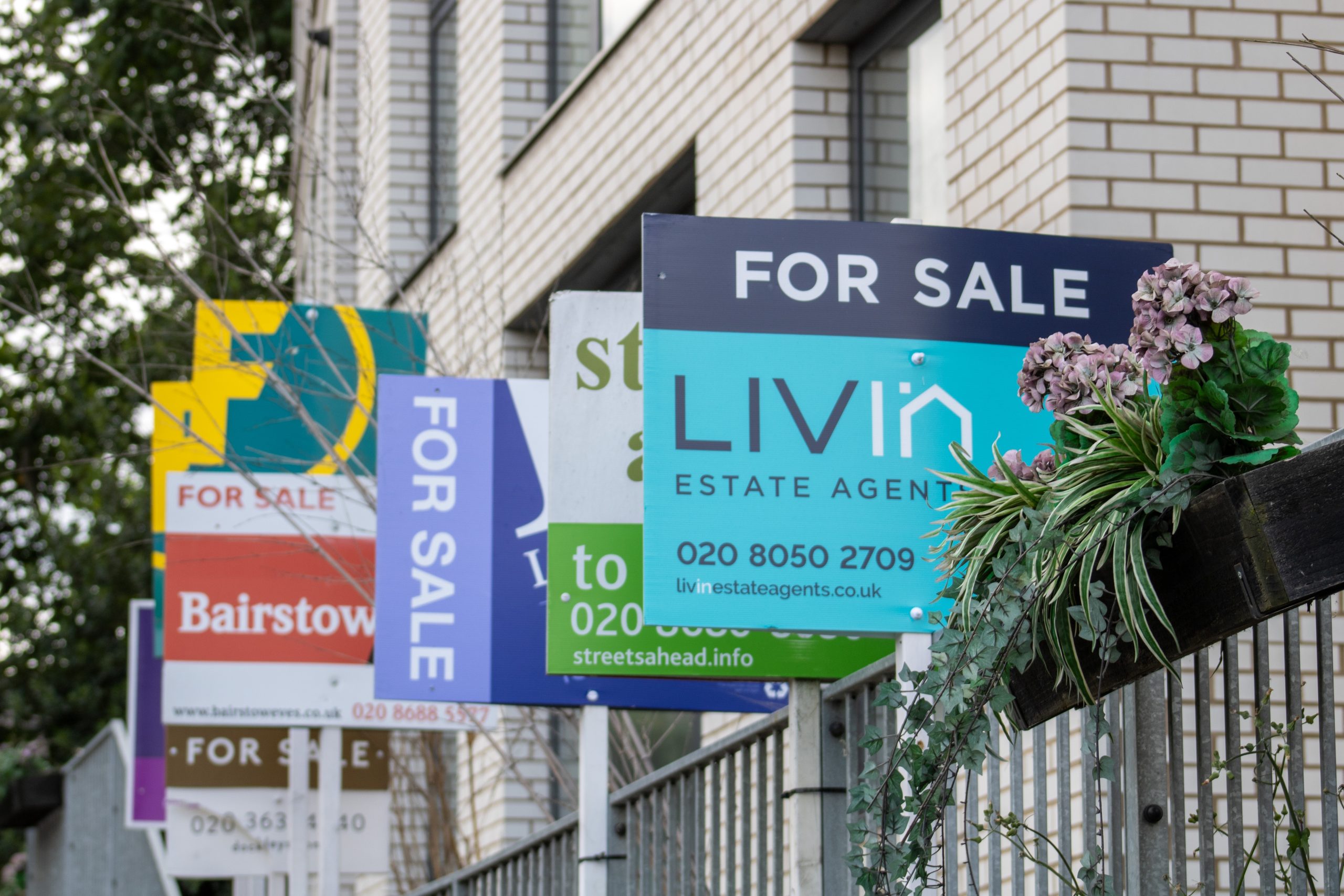
One area that hasn’t gotten as much attention in the wake of the pandemic is the residential sector. With new employment arrangements and the widespread adoption of remote working tools like videoconferencing and cloud storage, high-earning knowledge sector workers in gateway cities have had the opportunity to move away from traditional urban centres, choosing instead cities and regions that would have otherwise been untenable for them to live and work in. And indeed, many have.
In the UK, idyllic coastal and mountainous areas have seen rapid growth in real estate values. In Cornwall, for example, prices have grown by more than a quarter over the past five years, while prices in southeast Dorset have grown by a fifth. In 2021, it was reported that Cornwall had overtaken London as the most popular destination for buyers.
The desirability of these locations for their natural beauty is nothing new. However, high-earning households historically couldn’t consider actually living in mountain hamlets and seaside towns because they lacked nearby high-paying jobs. The value of the land, and by extension the real estate, was largely determined by the local economy.
Today, the advent of remote working has expanded the potential tenant or buyer pool to include workers from economically prosperous cities who are now able to work from anywhere. Now, a plot of properly zoned land in a faraway location can serve the purpose of sheltering someone who works at a business hundreds, or even thousands, of miles away. With adequate connectivity, the den of a home can be transformed into a trading floor, movie studio, laboratory, and much more.
As such, we’ve seen radical repricing in residential markets outside of London. Ordinarily, this sudden uptick in demand from high-earning households toward regional locations would be unusual. However, the social and technological dynamics of the past few years have introduced novel uses for residential spaces. These houses are being repurposed as remote workspaces for knowledge workers, representing an alternate use within the same building.
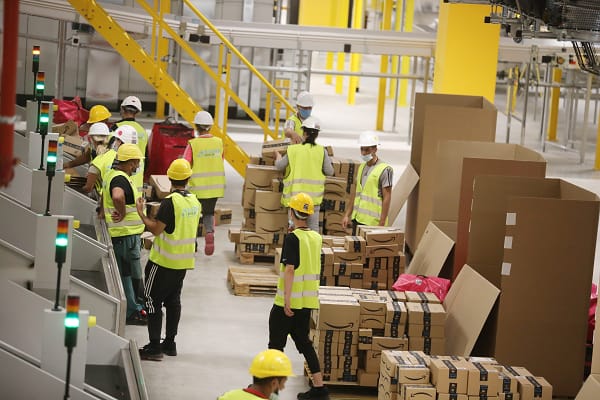
We’ve seen this play out before in the industrial space. In the early 2000s, before “Amazon” turned into a household name, the value of industrial space had suffered, following a period of widespread de-industrialisation in the West. Factories and warehouses were notoriously difficult to sell, as their worth was linked to the declining industrial activity that was being done there.
Once the technological and social niche for e-commerce became clear, these sites’ land values shifted as new logistics-based use cases emerged. Derelict factories on land zoned for industrial use were torn down and found new value as logistics hubs. Industrial real estate turned into a hot commodity as a result.
The story of beachside cottages and logistics warehouses shows us that changes to technology and society have the potential to create new – and often unexpected – uses for land, presenting exciting opportunities for investment.
To benefit from these opportunities, investors must keep underlying land value in mind. Instead of only considering the present value of the economic activity being done in a building, it’s crucial to think more broadly about how the land beneath an asset could be used in new ways in light of ongoing demographic and technical shifts. While buildings and the land they sit on may be immobile, their uses are not.
Michael Kovacs, founding partner at Castleforge.