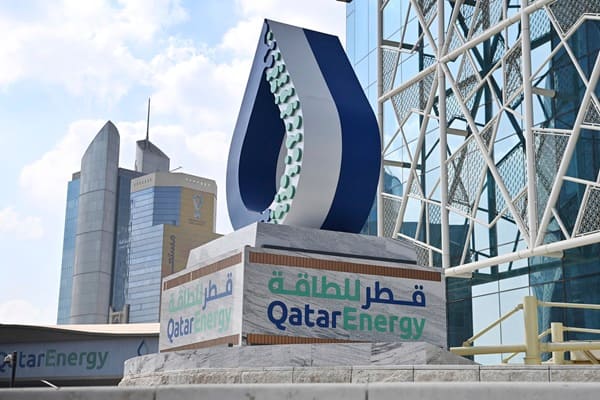
QatarEnergy has officially declared force majeure on several of its liquefied natural gas (LNG) shipments following a series of drone strikes that are reportedly linked to Iran.
These attacks targeted critical production infrastructure in Ras Laffan Industrial City, one of the largest and most important industrial complexes for gas and oil in Qatar.
The declaration of force majeure allows QatarEnergy, a state-owned energy producer, to relieve itself of certain contractual obligations concerning gas supply, GB News reported.
This action was taken after the company suspended its LNG production and the output of related products, such as fertilisers, earlier this week.
The decision comes in the context of increasing regional tensions, particularly heightened by reported Iranian assaults on Gulf Arab nations that host United States military installations.
These developments have raised alarms about the potential for broader conflict in the region, further complicating an already volatile geopolitical landscape.
QatarEnergy said it “values its relationships with all of its stakeholders and will continue to communicate the latest available information”.
“Further to the announcement by QatarEnergy to stop production of liquefied natural gas (LNG) and associated products, QatarEnergy has declared Force Majeure to its affected buyers,” the company said in a statement.
Force majeure clauses are crucial legal provisions that allow companies to temporarily suspend their contractual obligations when faced with extraordinary and unforeseen events that render them unable to fulfil production or delivery obligations.
In this case, the drone strikes represent such an event, impacting QatarEnergy’s ability to maintain its supply chain.
As a result of these disruptions, there are growing concerns about the stability and reliability of global gas supplies.
This is particularly significant for European energy markets, which are already facing challenges due to fluctuating supply levels and increasing demand for natural gas. The implications of this situation could have far-reaching effects on energy prices and availability in the region and beyond.