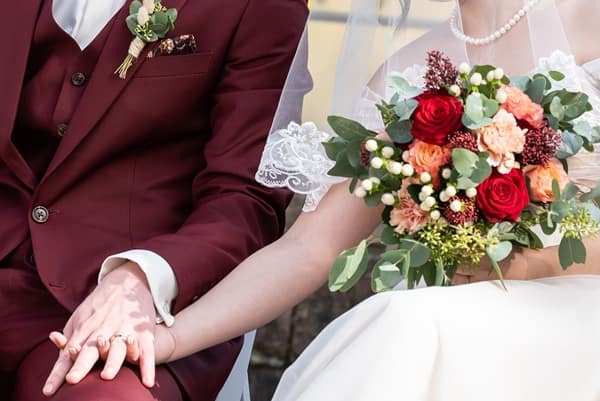
Choosing a stunning wedding dress in 2026 does not have to mean spending a fortune. Bridal trends this year blend modern comfort with timeless design, giving every budget room for style and individuality. The best way to find a breath-taking gown without overspending is to plan early, set clear priorities, and explore smart shopping options that balance cost and quality.
Many brides today look beyond high-end boutiques to discover dresses through sales, sample collections, or pre-owned styles that still feel brand new. Fashion shifts toward sustainability and simple elegance make it easier than ever to find affordable options that look luxurious. Soft satin, airy chiffon, and subtle sparkles remain popular choices for brides who want impact without excess.
With the right approach, anyone can locate a dress that fits both their figure and their finances. This guide walks through practical strategies, the top 2026 trends, and fresh ideas that help transform smart budgeting into a beautiful bridal moment.
Key strategies for choosing a stunning 2026 wedding dress on a budget
Smart planning helps brides balance beauty and affordability. Budget awareness, careful research, and perfect timing make it easier to find elegant wedding dresses that suit both personal style and spending goals.
Setting your wedding dress budget
A defined budget sets the tone for the entire dress search. Couples should first decide how much of the total wedding fund goes toward attire. The dress itself usually makes up about two-thirds of that amount, while alterations, shoes, and accessories take the rest. Writing these numbers down helps avoid impulse buys.
Clear boundaries encourage smarter decisions. Brides may look for dresses that flatter their figure without added features that raise costs, such as heavy beading or custom lacework. Simple fabrics like crepe or chiffon often appear elegant yet remain within reach.
A short list of price categories can also help.
- Under $500: Ready-to-wear or off-the-rack options
- $500–$1,500: Boutique gowns or sample sales
- $1,500–$3,000: Designer-inspired or custom-fit dresses
Being transparent about price expectations with consultants helps them pull suitable choices quickly and keeps appointments stress-free.
Researching bridal boutiques and dress shops
Not every shop fits every budget, so researching early saves time and money. Brides can look for boutiques that carry sample racks, seasonal markdowns, or exclusive sales events. Many stores host special weekends that offer savings on discontinued styles or showcase new designer pieces at lower prices.
Checking store policies before booking appointments matters, too. Some charge fitting fees or limit how many gowns a bride may try on. Reading reviews gives insight into service quality, alteration support, and whether the shop respects spending limits.
Online gown retailers expand the search without travel costs. Comparing fabrics, colours, and silhouettes across multiple trusted sellers can reveal hidden deals and designs that mirror high-end looks for less. Staying open to lesser-known designers often leads to unique finds that look bespoke but cost much less.
Timing your purchase for the best deals
The right timing directly influences price. Buying a dress about eight to ten months before the wedding gives shoppers access to older collections and clearance events. Retailers tend to discount sample gowns heavily after bridal fashion weeks, making this window ideal for budget-minded buyers.
Holiday weekends and end-of-season sales often include deep discounts. Brides who plan ahead can secure a gown during these periods and still leave enough time for alterations.
Shorter engagements or spontaneous weddings can also benefit from off-the-rack purchases. These ready-to-take-home dresses remove waiting times and often cost 30% to 70% less than custom orders. Staying flexible about colour or minor design details increases the chance of finding a dress that feels special without overspending.
2026 wedding dress trends and affordable style options
Designers for 2026 bridal wear highlight individuality, comfort, and thoughtful details. Brides see elegant new shapes, practical features, and ethical materials that allow style and savings to work together.
Spotlight on cat-eye necklines and modern silhouettes
Cat-eye necklines lead many 2026 wedding dress trends. This sharp, slightly curved neckline draws attention to the shoulders and face, creating a graceful frame without heavy embellishments. It works well for brides who want a timeless yet current look. Many budget-friendly lines now include this shape in satin, crepe, or lightweight chiffon to keep costs low while offering structure and polish.
Modern silhouettes such as sleek columns, soft A-lines, and gentle mermaid shapes dominate new collections. These designs reduce heavy layers and instead use fabric structure to define form. A pared-down silhouette paired with an eye-catching neckline can look sophisticated on any budget. Brides may also mix in subtle corsetry or a shaped waist for more figure definition without adding expensive detailing.
Detachable sleeves and convertible elements
Convertible bridal gowns make smart sense for couples mindful of cost and style. Detachable sleeves, removable overskirts, and modular trains create more than one look in a single dress. A bride can appear classic for the ceremony and switch to a modern or playful style for the reception with simple changes.
This approach reduces the need to buy a second outfit. Designers in 2026 favour puffed organza sleeves, lace cuffs, and tulle layers that attach with hidden snaps or ribbons. These pieces add drama while allowing easy adjustment or removal later in the day. Brides can reuse these accessories for future occasions, which helps stretch their wedding budget further.
Eco-friendly fabrics and sustainable choices
Sustainability continues as a steady theme in 2026 wedding dresses. Many designers experiment with eco-friendly fabrics such as organic cotton, bamboo silk, and recycled tulle. These materials not only align with environmental values but also feel comfortable and breathable.
Brides seeking affordable, sustainable bridal gowns can explore sample sales, rental programs, or pre-loved collections that use these fabrics. Choosing a simple silhouette keeps alteration costs low and reduces waste. Minimal seams and clean lines also highlight the natural texture of eco-conscious textiles. Couples appreciate that these decisions bring beauty and responsibility together without sacrificing elegance or fit.
Embellishments and unique design details
In 2026, embellishments appear thoughtful rather than excessive. Designers use smaller clusters of pearls, floral appliqués, and decorative buttons to add charm without raising prices. A few bold touches, such as feather trims or 3D florals, make a statement while keeping the overall cost manageable.
Subtle beadwork along a neckline or veil edge can replace heavy ornamentation. Brides may even choose dresses with detachable embellished elements that can later become keepsakes. The key lies in focusing on select details that express personality instead of covering the gown in decoration. This restrained approach allows each design feature, whether shimmer, texture, or pattern, to stand out and look refined.
Conclusion
A budget should never limit style or confidence. With clear priorities, smart planning, and flexibility, any bride can find a gown that looks elegant and fits her budget.
Affordable options exist in every category, from classic to modern styles. By comparing prices, exploring off‑the‑rack selections, and staying open to different fabrics, brides gain more control over both cost and design.
Simple details often make the strongest impact. Clean lines, quality fabric, and the right fit create a timeless look that photographs well and feels authentic.
In the end, the dress that feels right and stays within budget allows a bride to enjoy her day without stress. The right choice reflects her style, comfort, and confidence all at once.