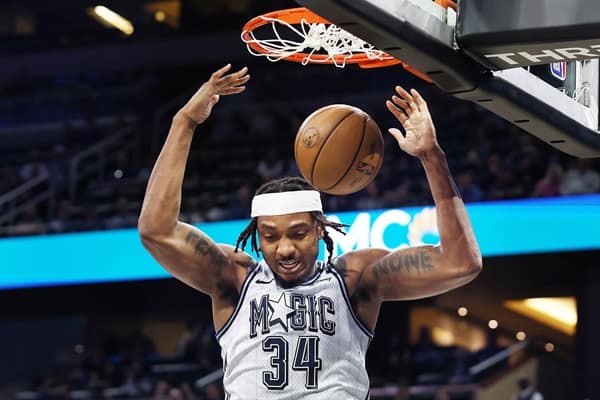
In the modern NBA, fans are no longer passive watchers. They are engaging as experts, number crunchers, and even marketers. The emergence of fan-based analytics has changed the conversation around basketball in a big way. With the use of new statistics and analyses, narratives are being rewritten, the media is challenged, and fans are more involved than ever. Let’s examine this phenomenon of analytics, how it is transforming coverage of the NBA, and its implications for fans.
The rise of fan-driven analytics in the NBA
The world of fan-driven analytics within the NBA has greatly improved with the growth of data and technology. Fans can now access advanced tools for statistical analysis from sites like Basketball-Reference, NBA Odds, NBA’s stats site, and Synergy Sports, which were previously only available to professionals. Also, fans have begun following PER, usage rates, and TS% to have meaningful conversations. In the 2020s, fans from various online communities have created new metrics and models and examined games down to the last frame. As a result, this has given birth to a grassroots movement that brings advanced discussions to the casual basketball fan and influences how the mainstream media presents the sport.
How social media fuels data discussions
The spread and influence of data-driven insights have increased due to fan-driven NBA analytics on social media platforms. Here are some examples:
- Twitter Threads: Fans provide analysis of games in real time and use threads to break down advanced statistics.
- Reddit Communities: Advanced metric breakdowns and player comparison deep dives are hosted on subreddits r/nba and r/nbastat.
- YouTube Channels: Creators break down the games with the use of game footage and accompanying statistics to give context to highlight detection.
- Instagram Infographics: Advanced analytics are simplified and made more approachable for casual fans through the use of visual data representations.
This allows fans to easily engage, contest, and debate the narratives they are presented with in the media through the use of evidence-based insights. By subscribing to MelBet Mongolia Facebook, you can become even closer to sports. News, memes, insights, and discussions are collected in one group. Subscribe and stay up to date with everything!
Advanced stats vs. traditional basketball analysis
Trendy stats have changed how analysts and fans appreciate NBA coverage. Older methods of analyzing the game relied on basic stats such as points, rebounds, and assists while relying heavily on highlight clips and personal opinions. Now, there are advanced metrics such as Player Impact Estimate (PIE), Box Plus/Minus (BPM), and Offensive/Defensive Ratings, which give a better understanding of a player’s contribution.
For instance, a player scoring 20 points might be impressive, but if they have a lower-than-average true shooting percentage, their efficiency is quite bad. The modern fan pores over shot charts, lineup data, and on- and off-court impacts to debunk traditional views and find performance value analytics.
How fans influence player narratives with data
Data-fueled discussions give fans the power to mold player narratives in a striking manner. Analytics tend to highlight players who might otherwise be overlooked, such as Fred VanVleet’s defensive numbers, and also make one question the real worth of traditional stars. Take the discussions going on around Russell Westbrook’s triple-doubles. They usually pit volume statistics against efficiency ones, like the ratio of turnovers to successful shots and the percentage of shots made.
Fans who are powered by data will also push for a player to be voted an All-Star or an MVP based on more advanced statistics, and this shifts the media’s focus. The Overton window of public opinion changes due to fans using statistics to bring attention to emerging talents and bust myths, even going as far as influencing the decision-making of a team’s front office. It is safe to say that the divide between fan analysis and professional scouting has become virtually non-existent.
The impact of analytics on media and commentary
It is evident that the emergence of fan-centric analytics has compelled mainstream media to be more data-driven in their coverage, changing the entire discourse around sports events:
- In-Game Broadcasts: During games, commentators now discuss advanced stats like usage rate and efficiency.
- Sports Talk Shows: Networks like ESPN have shows, such as The Jump, where fans showcase their data, which is included in the segments.
- Podcasts: Many basketball podcasts have episodes where they go over in-depth stats based on fan conversations, which are quite popular.
- Online Articles: Journalists now use fan-created Twitter analyses and metrics as citations to support their arguments.
This ensures that even people who follow sports casually come across comprehensive coverage while following the news.
Data-driven passion: The future of NBA coverage in the hands of fans
Fan analytics will single-handedly redefine modern NBA coverage in the future. As technology improves and data becomes easier to obtain, fans will shift the storyline, challenge traditional perspectives, and raise the bar. With the dedication and craftsmanship the NBA community possesses, basketball will continue to be told in a way that is vivid, captivating, and multifaceted.
Please play responsibly. For more information and advice visit https://www.begambleaware.org
Content is not intended for an audience under 18 years of age