End-of-line packaging often sits at the quiet end of a production line, yet it carries an outsized responsibility. This is the final checkpoint before products leave your facility, meet customers, and represent your brand in the real world. A single error here can undo hours of upstream efficiency and compromise overall product integrity. That’s why building reliability into this stage is essential for both operational efficiency and customer satisfaction.
Let’s explore the key strategies that can strengthen your packaging process and make it more consistent and resilient.
Evaluate the current packaging workflow
Before adding new equipment or rewriting procedures, it helps to take a step back and look closely at how the end-of-line process actually operates. What looks efficient on paper may function very differently on the floor. Walk the line during production hours, not just during scheduled demonstrations. Notice where products accumulate, where operators hesitate, and where small adjustments are made repeatedly. Those moments often reveal the root causes of larger reliability issues related to product handling.
Data should support these observations, but numbers alone rarely tell the whole story. Downtime logs, reject rates, and throughput metrics give context, while conversations with operators add depth. People closest to the operation often know exactly where things tend to go wrong. Capturing both quantitative and qualitative insights creates a realistic baseline. With that baseline in place, decisions about improvements become far more targeted and effective.
Standardise packaging procedures
Consistency doesn’t happen by accident. Standardized procedures play a major role in building a reliable final packaging process. Clear work instructions ensure that every operator performs tasks the same way, regardless of shift or experience level. This reduces variability and limits the risk of errors creeping in during busy periods or staffing changes.
Documentation alone is not enough, though. Procedures should be practical, visual where possible, and easy to reference on the floor. Training reinforces these standards by turning written steps into habits. When everyone understands not just what to do, but why it matters, compliance improves naturally. Over time, standardized procedures create a stable rhythm that supports both quality and efficiency, even as volumes fluctuate.
Select equipment that matches production demands
Reliability suffers when packaging equipment is pushed beyond its intended limits. Machines designed for lower speeds or lighter loads may struggle in high-volume environments, leading to frequent breakdowns and inconsistent output. Choosing high-performance machines that align with actual production demands is a strategic investment, not an unnecessary upgrade.
Beyond capacity, compatibility matters. Equipment should integrate smoothly with upstream and downstream processes as part of a cohesive packaging equipment system. Poorly matched interfaces can cause jams, misalignments, or timing issues that ripple through the line.
When evaluating options, consider flexibility as well. The ability to handle multiple package sizes or formats can prevent future bottlenecks. Thoughtful equipment selection supports reliability today while leaving room for tomorrow’s growth, whether you’re packaging cartons or preparing heavy shipping crates.
Use quality materials to support packaging reliability
Equipment performance alone cannot ensure a reliable end-of-line operation. Packaging materials play a critical role in protecting products, maintaining consistency, and supporting smooth line performance. When materials behave unpredictably under production conditions, they introduce variability. This can lead to slowdowns and increased quality risks, even when equipment is properly specified.
One proven option is flexible packaging adhesives. These adhesives offer reliable performance characteristics that help reduce rework and prevent package failures. Selecting quality materials like these reinforces overall system reliability and supports a more stable packaging process. Another great choice is high-strength, durable protective films or liners. These materials provide additional protection during handling and shipping, helping maintain product integrity from the line to the customer.
Maintain equipment proactively
Even the most robust equipment will falter without proper care. Reactive maintenance, where issues are addressed only after failure, introduces unpredictability into the final packaging phase. Proactive maintenance shifts the focus toward prevention, improving reliability, and extending equipment life.
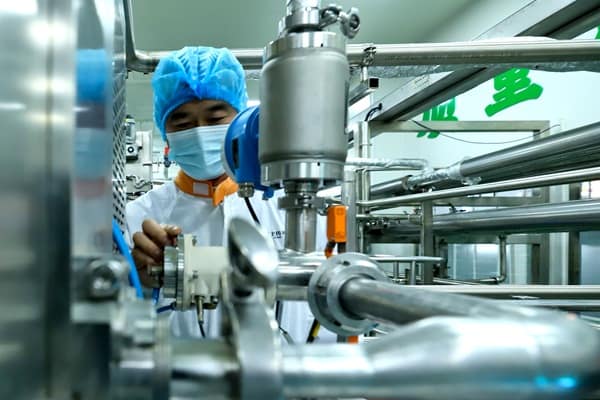
A structured maintenance schedule based on usage, not just calendar intervals, makes a significant difference. Routine inspections, lubrication, and parts replacement reduce the likelihood of sudden breakdowns. Digital maintenance logs and alerts can support this effort, but discipline remains essential. When maintenance becomes a regular part of operations rather than an afterthought, the packaging system runs more smoothly. Consistent performance builds trust among operators and planners alike.
Source: ThisIsEngineering on Pexels
Design for error detection and prevention
Mistakes at the back-end are costly, but many can be caught or avoided with the right safeguards. Error detection systems, such as vision inspection, weight checks, and barcode verification, act as an extra set of eyes. They help ensure that every package meets defined criteria before it ships.
Prevention starts even earlier. Designing fixtures, guides, and workflows that make incorrect actions difficult reduces reliance on constant vigilance. For example, components that only fit one way or sensors that halt the line when an anomaly occurs can stop small issues from escalating. By combining detection and prevention, the last production stage becomes more resilient. Errors are identified quickly, and recurring problems are addressed at their source rather than treated as unavoidable losses.
Train operators for adaptability and ownership
People remain central to any reliable packaging process. Well-designed systems still depend on operators who understand how to run, monitor, and adjust them. Training should go beyond basic operation to include troubleshooting and decision-making. When operators recognize early warning signs, they can intervene before issues escalate.
Ownership also plays a role. Encouraging operators to take responsibility for their section of the line fosters attentiveness and pride in the outcome. Regular feedback sessions, where suggestions are heard and acted upon, reinforce this mindset. Skilled, engaged operators adapt more easily to changes in product mix or volume. Their involvement adds a human layer of reliability that no machine can fully replicate.
Align quality control with packaging goals
Quality control at the end of the line should complement packaging objectives, not conflict with them. Excessive checks can slow throughput, while insufficient oversight allows defects to pass through. Finding the right balance requires collaboration between quality and operations teams.
Defining clear acceptance criteria is a starting point. Everyone should agree on what constitutes a pass or fail and why those standards exist. Sampling plans, inspection points, and response protocols should align with risk levels. When quality control measures are integrated seamlessly into the packaging flow, they support reliability rather than disrupt it. The result is an operation that protects both speed and standards without constant tension.
Improve line visibility and communication
Smooth operation improves when problems are visible and addressed quickly. Line visibility tools such as status boards, Andon lights, or digital dashboards make performance transparent in real time. When everyone can see whether the packaging line is running, stopped, or slowed, response times shorten.
Communication routines reinforce this visibility. Daily startup meetings, shift handovers, and brief check-ins keep teams aligned. Issues discovered during one shift should not reappear on the next. Clear communication ensures continuity and accountability. Over time, shared awareness turns isolated fixes into lasting gains, strengthening the overall reliability of the end-of-line packaging process.
Plan for scalability and future change
A production line that works well today may struggle tomorrow if growth is not considered. Building reliability includes planning for future volume increases, product variations, or regulatory changes. Flexible layouts, modular equipment, and a flexible solution provide options without requiring complete overhauls.
Scenario planning supports this approach. What happens if demand spikes unexpectedly? How easily can the line adapt to a new package format? Considering these questions early prevents rushed decisions later. Stability isn’t static. It evolves as the business evolves. By designing with adaptability in mind, the end-of-the line packaging solution remains dependable even as conditions shift.
Opt for continuous improvement to sustain reliability
Reliability isn’t a one-time achievement. It requires ongoing attention and refinement. Continuous improvement practices such as regular audits, root cause analysis, and small experiments keep the packaging process from stagnating. Incremental changes often deliver substantial gains over time, especially in automated areas like case erectors.
Feedback loops are essential here. Data collected from the packaging system should inform improvement efforts, while results should be shared openly. Celebrating successes reinforces positive behaviours and encourages further participation. Through continuous improvement, reliability becomes part of the culture, not a periodic project. The workflow stays responsive, efficient, and ready to meet evolving demands.
Conclusion
A strong final packaging process is built, not born. It succeeds when workflows are clear and equipment matches production demands. Operators who take ownership make a significant difference in everyday results. Small adjustments, preventive checks, and thoughtful design choices keep the system running smoothly.
Reliability in this stage is more than avoiding mistakes. It creates predictable results and reflects the quality of the entire operation. When every package leaves the line as intended, efficiency improves, waste drops, and customer trust grows.