Hyundai and Kia gained an edge over surging Chinese brands like BYD after South Korea raised subsidies and introduced additional policies to support EVs.
Hyundai and Kia win new EV support in Korea
South Korea, like many key global auto markets, is quickly being flooded with Chinese EVs, such as those from BYD. To help boost domestic sales, the government is introducing new subsidies and other policies.
The Ministry of Climate, Energy, and Environment announced its finalized 2026 EV subsidy plan on Thursday. Under the new plan, the maximum incentive for electric vehicles has been raised to 6.8 million won ($4,700), up from 5.8 million won ($4,000).
It includes a new incentive that offers EV buyers who scrap or sell their internal combustion engine car an additional 1 million won ($700). The offer is only good for new EVs, not used ones.
The price cap for the subsidies remains at 53 million won ($36,700), but in 2027, it will be reduced to 50 million won ($34,600).
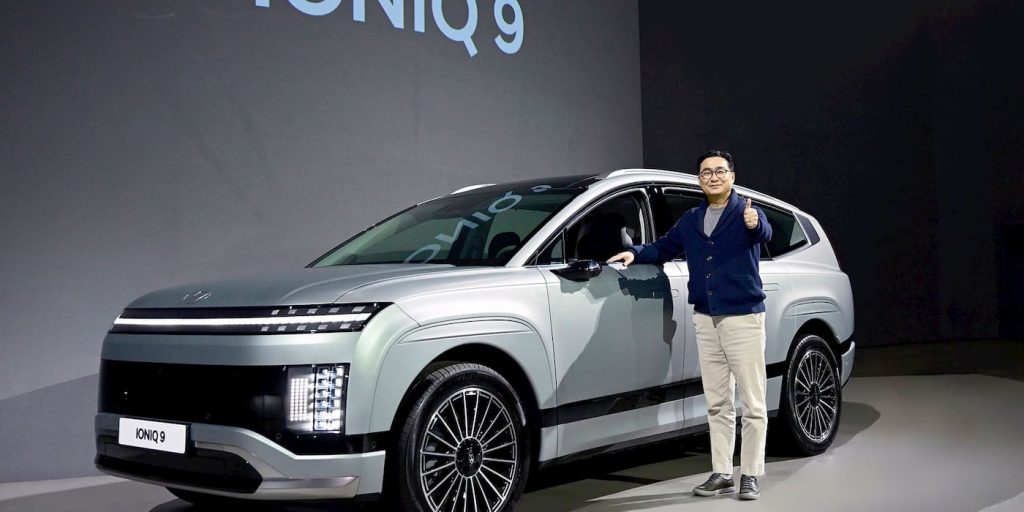
According to the Korea JoongAng Daily, South Korea’s revised EV plan also includes stricter requirements for charging and energy density.
Since many Chinese brands, like BYD, use cheaper lithium iron phosphate (LFP) batteries, the changes give domestic automakers like Hyundai and Kia the upper hand, as they use nickel-manganese-cobalt (NCM) batteries.
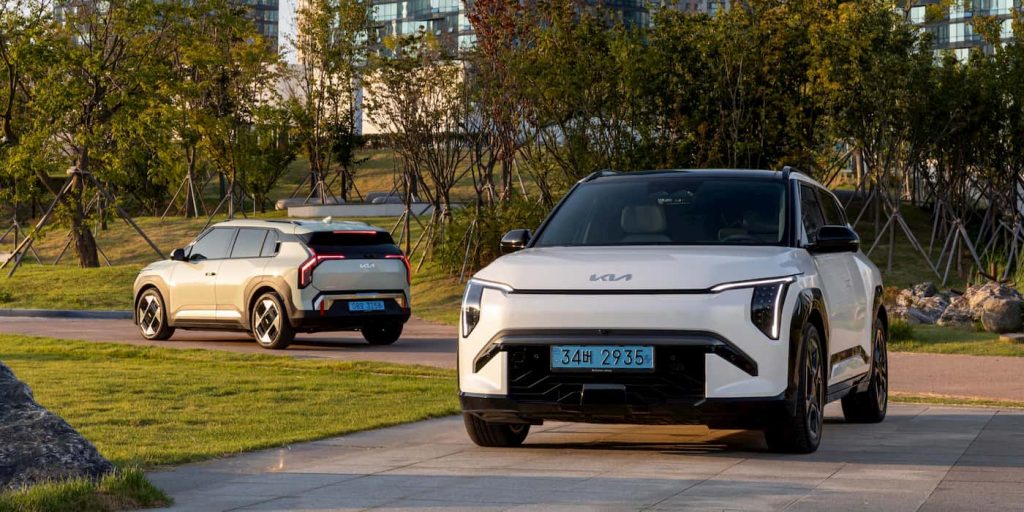
Through November, the Tesla Model Y remained the best-selling EV in Korea, but BYD is quickly closing the gap. BYD sold just under 5,000 electric vehicles in Korea in the first 11 months, ranking third among imported EV brands.
Several new Chinese brands, such as XPeng, Li Auto, and Zeeker, are planning to launch in Korea this year. Meanwhile, Hyundai and Kia will introduce a pair of new entry-level EVs, the EV2 and IONIQ 3, which are expected to compete with Chinese brands in South Korea, Europe, and other overseas markets.
Under the new plan, commercial EVs, including Kia’s first electric van, the PV5, are eligible for subsidies. Small electric vans can receive up to 15 million won, midsize EVs up to 40 million won, and large EV trucks up to 60 million won.
The finalized plan comes after the South Korean government pledged in November to increase support for EVs, following the new US auto tariffs and other policy changes.
The US is missing out on the entry-level EVs, but Hyundai and Kia are softening the blow with aggressive discounts. Hyundai IONIQ 5 leases now start at just $189 per month. Kia, on the other hand, is slashing prices by over $10,000 across its entire lineup.
Want to see what deals are available near you? Ready to book a test drive? Check out the links below.


FTC: We use income earning auto affiliate links. More.