Paris’ bike-share system, Vélib has long been considered one of the shining success stories of urban micromobility. With a massive fleet of over 20,000 pedal and electric-assist bicycles around Paris, the service has helped millions of residents and tourists get around the City of Light without needing a car or scooter. But lately, a growing problem is threatening to knock the wheels off this urban mobility marvel: theft and joyriding.
According to city officials and the service operator, more than 600 Vélib bikes are now going missing every single week. That’s over 30 bikes a day simply vanishing from the system – some stolen outright, others taken on “joy rides” and never returned.
“At the moment we’re missing 3,000 bikes,” explained Sylvain Raifaud, head of the Agemob company that currently operates the Velib system. That’s nearly 15% of over 20,000 Vélib bikes across Paris.
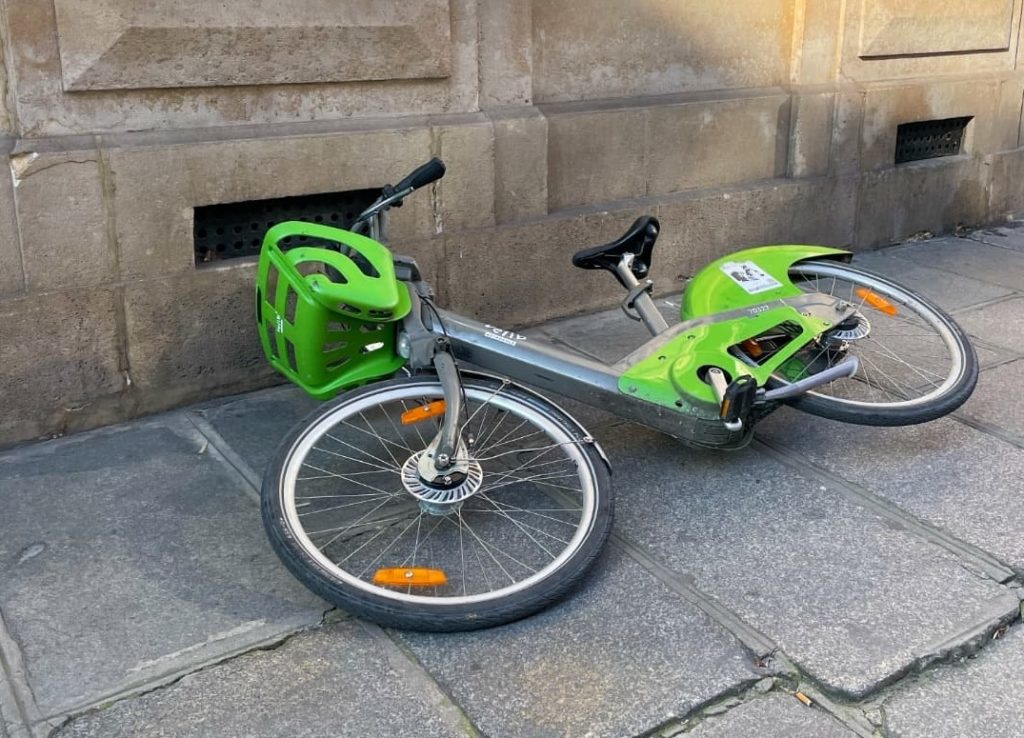
The sticky-fingered culprits aren’t necessarily professional thieves or organized crime rings. Instead, they’re often regular users who treat the shared bikes like disposable toys.
The city estimates that many people have figured out how to pry the bikes out of the system’s parking docks, unlocking one for a casual cruise and then ditching it somewhere far from a docking station.
Once pried free, the bikes are technically usable for the next 24 hours until their automatic locking feature kicks in. At that point, the bikes are often simply abandoned. Some end up in alleyways. Others get tossed in rivers. A few just disappear completely.
And since the bikes are intended to be parked at their many docking stations around the city, they don’t have GPS chips, further complicating recovery of “liberated” bikes.
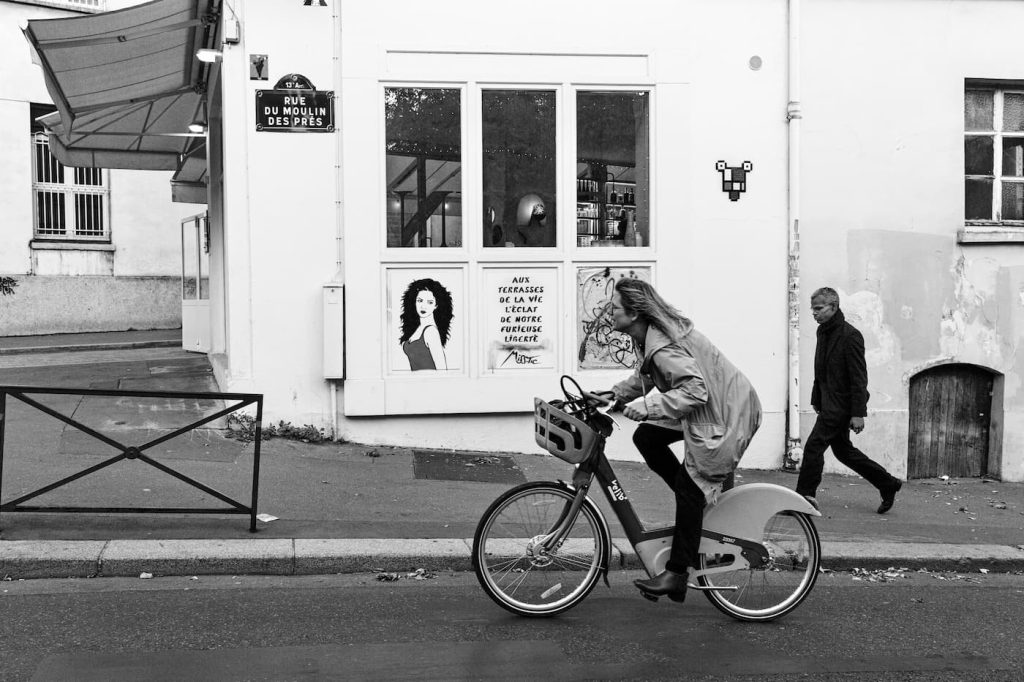
The issue started small but has grown into more than an inconvenience – it’s beginning to undermine the entire purpose of the service. With bikes going missing at such a high rate, many Vélib docking stations are left empty, especially during rush hours.
Riders looking for a quick commute or a convenient hop across town are increasingly finding themselves without available bikes, or having to walk long distances to find a functioning one.
That kind of unreliability chips away at user confidence and threatens to drive potential riders back into cars, cabs, or other less sustainable forms of transport at a time when Paris has already made great strides to dramatically reduce car usage in the city.
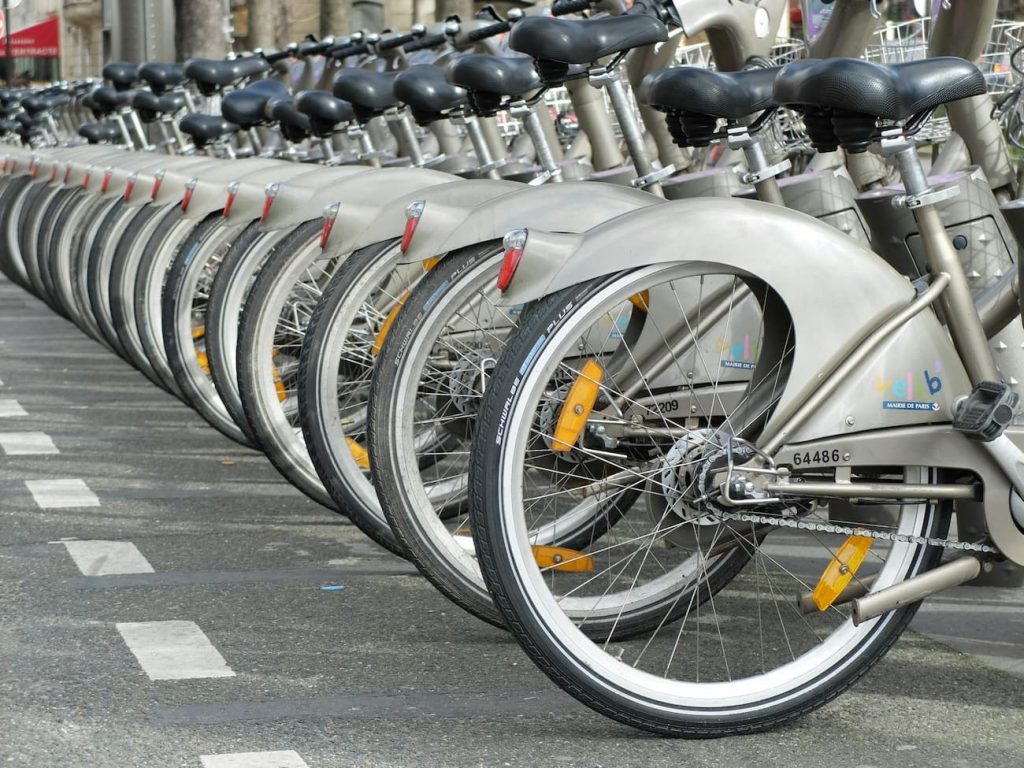
The losses are financially painful, too. Replacing stolen or vandalized bikes isn’t cheap, and the resources spent on tracking down missing equipment or reinforcing anti-theft measures are stretching thin. Vélib has faced theft and vandalism issues before, especially during its early years, but this latest surge has officials sounding the alarm with renewed urgency.
Officials acknowledge that there’s no easy fix. Paris, like many cities with bike-share systems, walks a fine line between accessibility and accountability. Part of what makes Vélib so successful is its ease of use and widespread availability. But those same features make it vulnerable to misuse – especially when enforcement is limited and the consequences for abuse are minimal.
The timing of the problem is especially unfortunate. In recent years, Paris has seen impressive results in reducing car traffic, expanding bike lanes, and promoting cycling as a key part of its sustainable transport strategy. Vélib is a cornerstone of that plan. But if the system becomes too unreliable, it risks losing the very people it was designed to serve.
Meanwhile, as Parisians increasingly find themselves staring at empty docks, the challenge for the city and Vélib will be to restore confidence in the system without making it harder to use. That means striking the right balance between freedom and responsibility, between open access and protection against abuse.
In a city where cycling is supposed to be the future of mobility, losing thousands of bikes to joyriders and sticky fingers isn’t just frustrating; it’s unsustainable.
FTC: We use income earning auto affiliate links. More.