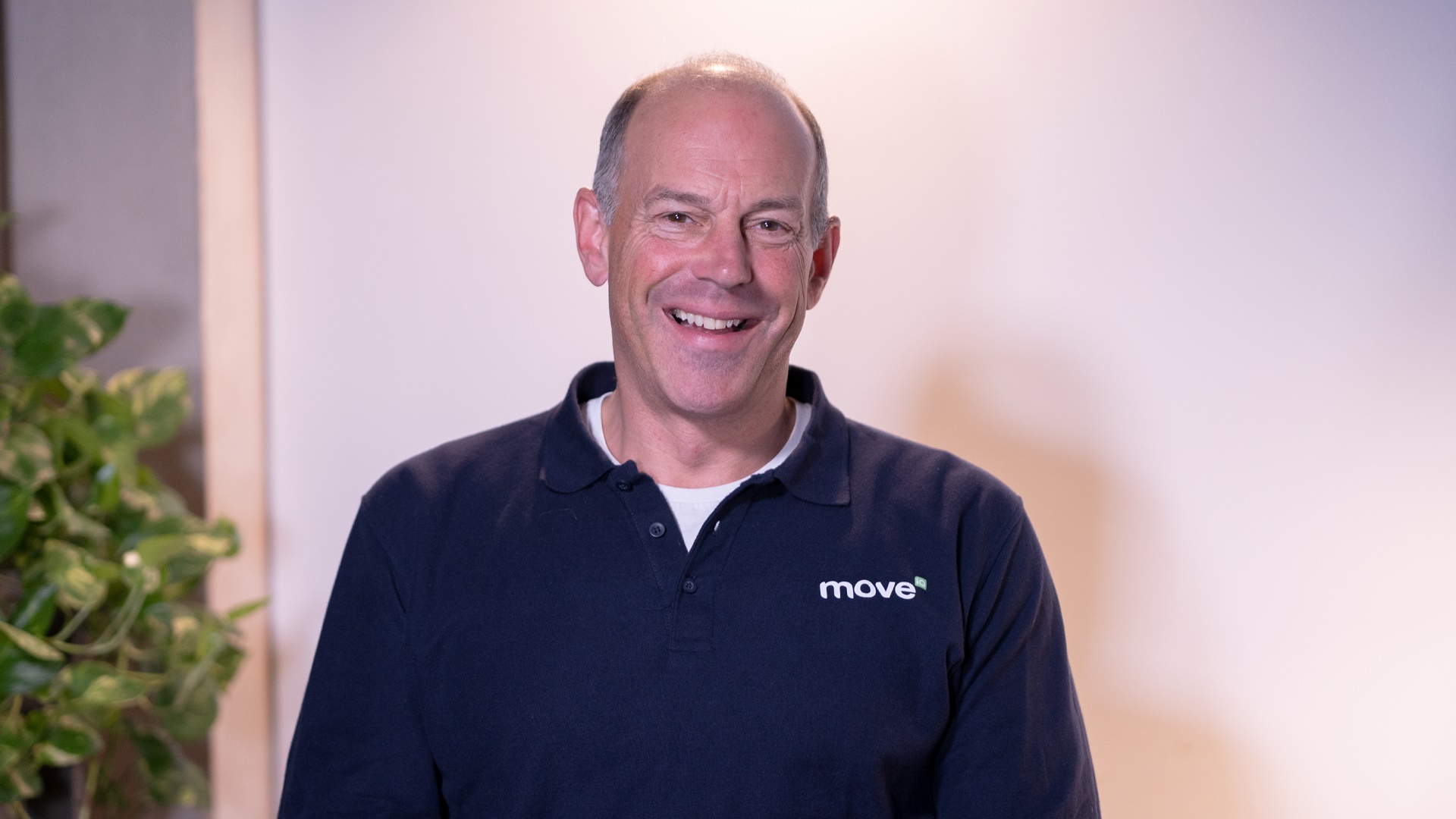
In the latest podcast from Move iQ, host and Move iQ founder, Phil Spencer, invited PR guy and former estate agent Russell Quirk to explain his statement that he ‘can solve the housing crisis’.
It is well documented that supply of new homes in Britain has lagged demand for decades with the deficit recognised at around 100,000 properties each and every year due to a growing population and longer life expectancy.
In 2023, there were 231,000 homes built against a government aspiration of 300,000. Britain has not exceeded the supply of 300,000 new homes in any year since the days of the McMillan government, in 1963 to be precise.
Quirk says that he has the solution to the problem of inadequate housing provision and he sets this out to Spencer in the 30-minute podcast.
The essence of Quirk’s strategy is to remove political opportunism from the day to day of housing announcements and to in effect compete with the top 10 PLC property developers at a public sector level with the launch of a National Development Corporation run as a board by a mix of experienced property people accountable to taxpayers as the ‘shareholder’.
Public sector land is the key to what is built and where, says Quirk.

Quirk commented: “For decades we’ve listened to the empty promises of housing ministers, chancellors and prime ministers on the subject of new and adequate housing supply. These promises grab headlines for a few days and then disappear into a graveyard of political pledges, unfulfilled and forgotten.
“The issue is one of short-term political opportunism being the prevailing goal of MPs and also the focus of the top 10 PLC housebuilders being shareholder value from a trickling of supply rather than a social conscience. My plan solves both of these problems as the podcast sets out.”
Spencer added: “This is a plan that could work in solving one of the great mysteries of this country – why can’t we build enough new homes.
“I’m squarely behind these suggestions and would invite responsible politicians on both sides of the political divide to meet with us in order that we can set out what is a compelling solution to significantly benefit future generations.”