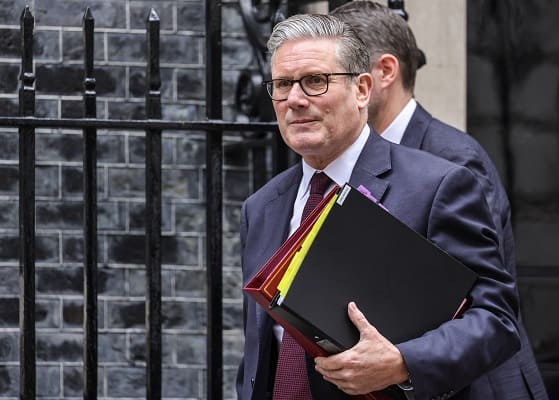
Sir Keir Starmer’s defence spending proposals have come under fire from political opponents, defence analysts, and former military officials, who warn that his ambitious plans may be unattainable under current economic conditions.
At a policy speech last week, the Labour leader outlined a long-term vision for the UK’s armed forces, promising increased investment over the next decade.
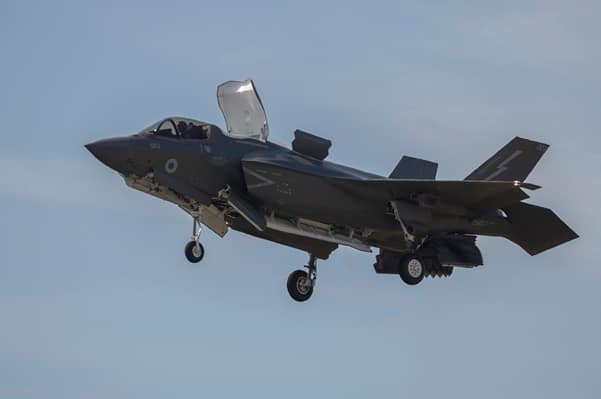
Starmer highlighted key priorities including modernisation of the military, expansion of cyber and intelligence capabilities, and procurement of advanced weapons systems to maintain the UK’s position within NATO and respond to global security threats.
“This is about protecting our nation, our allies, and ensuring that the armed forces are prepared for the challenges of the 21st century,” Starmer said in his address.
However, critics argue that the proposals fail to address the financial realities facing the UK, where high inflation, rising debt, and competing domestic priorities place significant pressure on public spending.
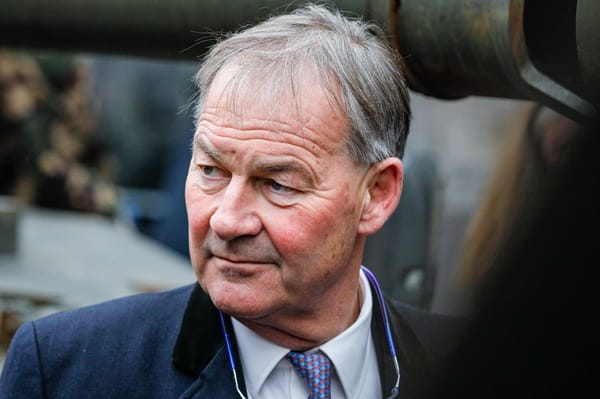
Michael Fallon, former Defence Secretary, described the plan as “a pipe dream that underestimates the scale of the fiscal challenge.”
He added, “While modernising the armed forces is essential, promising substantial spending increases without clear funding mechanisms risks undermining both credibility and public trust.”
Economists echo these concerns, noting that Labour’s plan could require either large tax hikes or cuts to other essential services. “Ambition is one thing, affordability is another,” said Dr. Harriet Lane, a senior researcher at the Institute for Fiscal Studies.
“Increasing defence spending is politically popular, but delivering it sustainably will be extremely difficult in the current economic climate.”
Labour officials defend the plan, arguing that investment in defence is critical to responding to Russian aggression, rising global tensions, and emerging technological threats such as cyber warfare and AI-enabled weapons systems. They also suggest that efficiency reforms within the Ministry of Defence could partially fund new priorities without adding pressure to the public finances.
Analysts warn, however, that Starmer will face a delicate balancing act. Voters may support strong defence on principle, but are increasingly sensitive to tax increases and service cuts in areas such as health, education, and social care. Labour’s ability to communicate a credible funding strategy will therefore be critical.
The issue is also gaining attention internationally. NATO allies are watching closely, with some expressing concerns that uncertainty about the UK’s defence commitments could weaken the alliance’s overall cohesion.
Shadow Defence Secretary Lisa Nandy defended Labour’s approach, saying: “We are committed to a strong, capable, and modern armed forces, but we must do so responsibly. Starmer’s plan outlines the priorities for the next decade while recognising the need for sustainable funding.”
The debate over defence spending is expected to intensify as the next budget and spending review approach. Experts predict that Labour’s proposals will face rigorous scrutiny both from within Parliament and across the media, particularly as international security threats continue to evolve and public finances remain constrained.