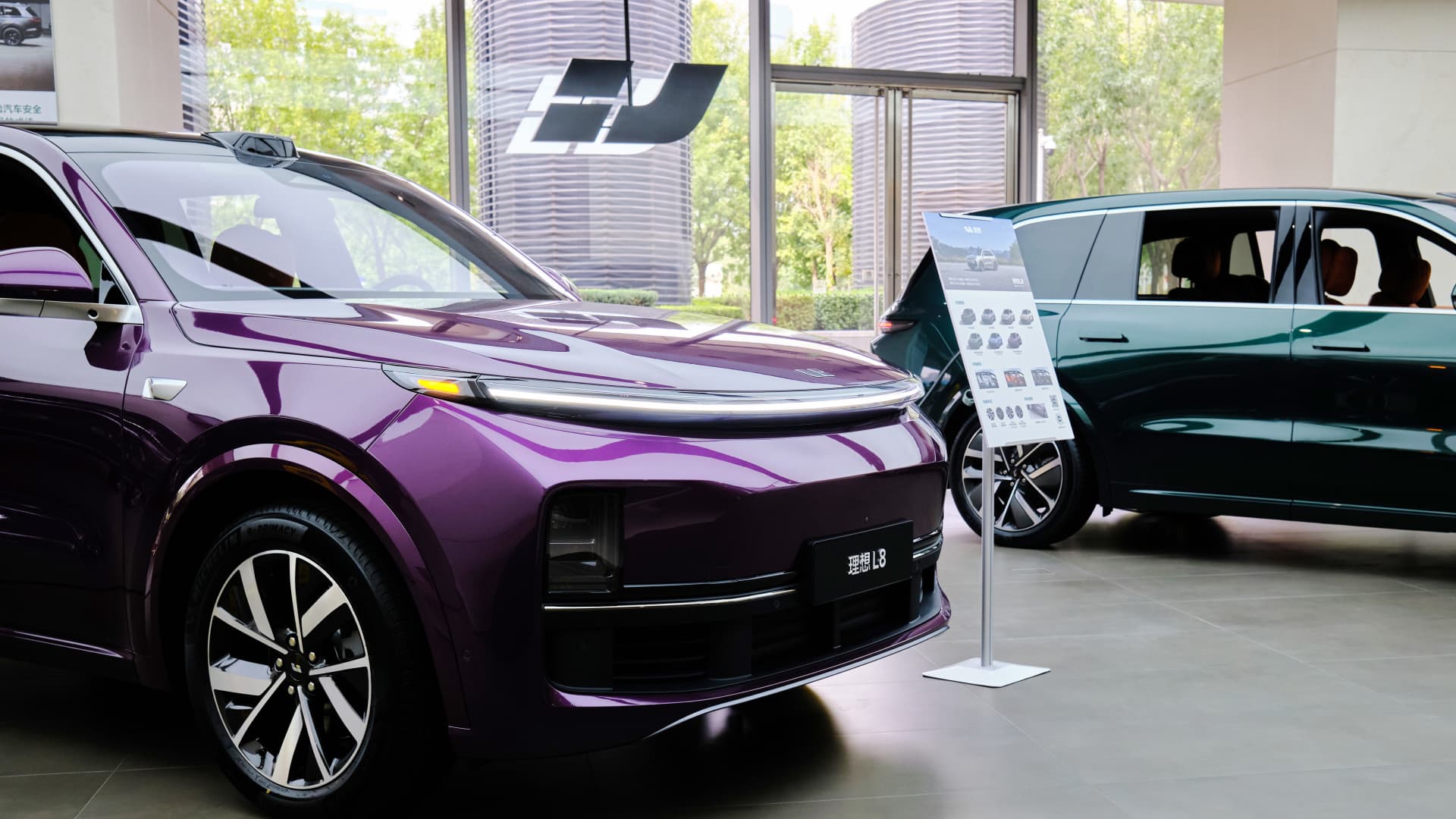
Bernstein is bullish on the Chinese electric-vehicle market and named Li Auto as a potential winner. “The Chinese EV stocks had rallied sharply in July, primarily driven by partnerships with global OEMs and expectations of policy support from the government, in addition to improving sales momentum,” Bernstein analyst Eunice Lee wrote in a Wednesday note. “Li Auto remains our top long-term pick on higher confidence in its earnings growth prospect and management execution ability.” Lee raised her price target on the company by $12 to $50 based on a higher volume forecast and sales expectations. The new target suggests the stock stands to gain 12.6% from Wednesday’s close. She also reiterated her outperform rating on the stock. Shares were trading about 4% higher on Thursday and hit a 52-week high of $46.74. The stock has gained nearly 120% this year. “Li Auto deserves a premium over its peers on its track record and outlook,” the analyst wrote. “We assume Li Auto can grow its market share and reach c. 10% operating margin in steady state.” Lee also raised her industry wholesale volume forecast for 2023, citing stronger exports and slightly more domestic demand in the second quarter. Exports were stronger than expected due to a surge in demand from Russia and for EVs in general, Lee said. She added that domestic demand was, in part, lifted by original equipment manufacturers’ price wars and local government subsidies. Li Auto is still facing industry-wide pressures, however. “We expect deflationary pressure to remain given the industry’s highly competitive landscape and low plant utilization. Improvement in consumer sentiment and credit growth could represent further tailwinds,” Lee wrote. Among three competing Chinese vehicle makers, Li Auto delivered the most cars in July at 34,134 vehicles, up by 227.5% year on year and 5% above June. Despite dampened demand, the competition in China’s EV market has ramped up as companies launch new models and face a price war, which was fueled by Tesla’s decision earlier this year to cut its prices in China. — CNBC’s Michael Bloom contributed to this report.