Tobacco giant Philip Morris International has estimated at least $16 million in damages following a Russian strike that affected part of its facility in Kharkiv last month.
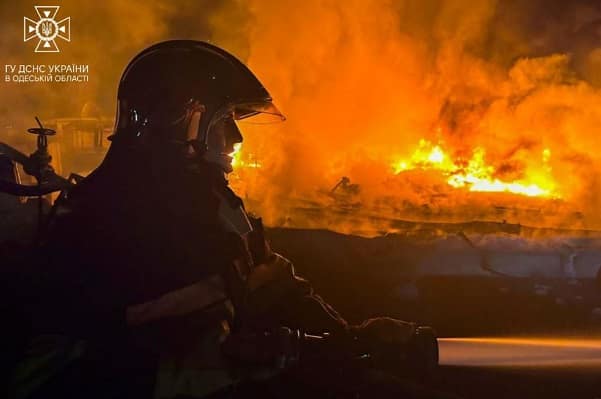
Serhii Kalnoochenko, the chief financial officer of the company’s Ukrainian branch, informed Forbes Ukraine on February 27 that flames engulfed around 5,000 square meters of factory space after the attack on January 30.
Preliminary assessments indicate damage to both the factory buildings and stored raw materials. Nearly a month later, the company is still evaluating the full financial impact.
Fortunately, there were no injuries resulting from the strike.
The Kharkiv factory had halted operations in 2022, and only security personnel were present at the time of the attack. According to Kalnoochenko, employees took shelter during the bombardment.
While the company’s assets were insured, Kalnoochenko mentioned that insurers do not cover war-related risks in Kharkiv and the surrounding areas.
As a result, war risk insurance is extremely limited across Ukraine, forcing many businesses to absorb their losses.
In November, Kyiv approved a partial compensation mechanism offering up to Hr 10 million (approximately $232,000) in support, significantly lower than the scale of the major industrial losses. Philip Morris is reportedly exploring international compensation options but has not specified which avenues it may pursue.
The company stated that it will only consider rebuilding the damaged warehouses once the security situation stabilises. The facility is located roughly 40 kilometres from Russian positions, posing ongoing operational risks.
Despite being hit three times since the beginning of the full-scale Russian invasion of Ukraine, the company does not plan to close or sell the site. In 2024, Philip Morris launched a $30 million production facility in Lviv Oblast and has invested around $1 million since 2022 to expand logistics and warehouse capacity.
Before the war, the Kharkiv facility produced approximately 20 billion cigarettes annually, serving both domestic and export markets, including Japan, Israel, Georgia, Egypt, and various EU countries.
This strike highlights the vulnerability of industrial infrastructure in eastern Ukraine, where businesses face ongoing security threats, limited war-risk insurance options, and challenges in obtaining reconstruction funding. Nevertheless, several multinational firms continue to operate and invest in western regions of the country, reflecting cautious long-term confidence in Ukraine’s market despite the instability at the front lines.