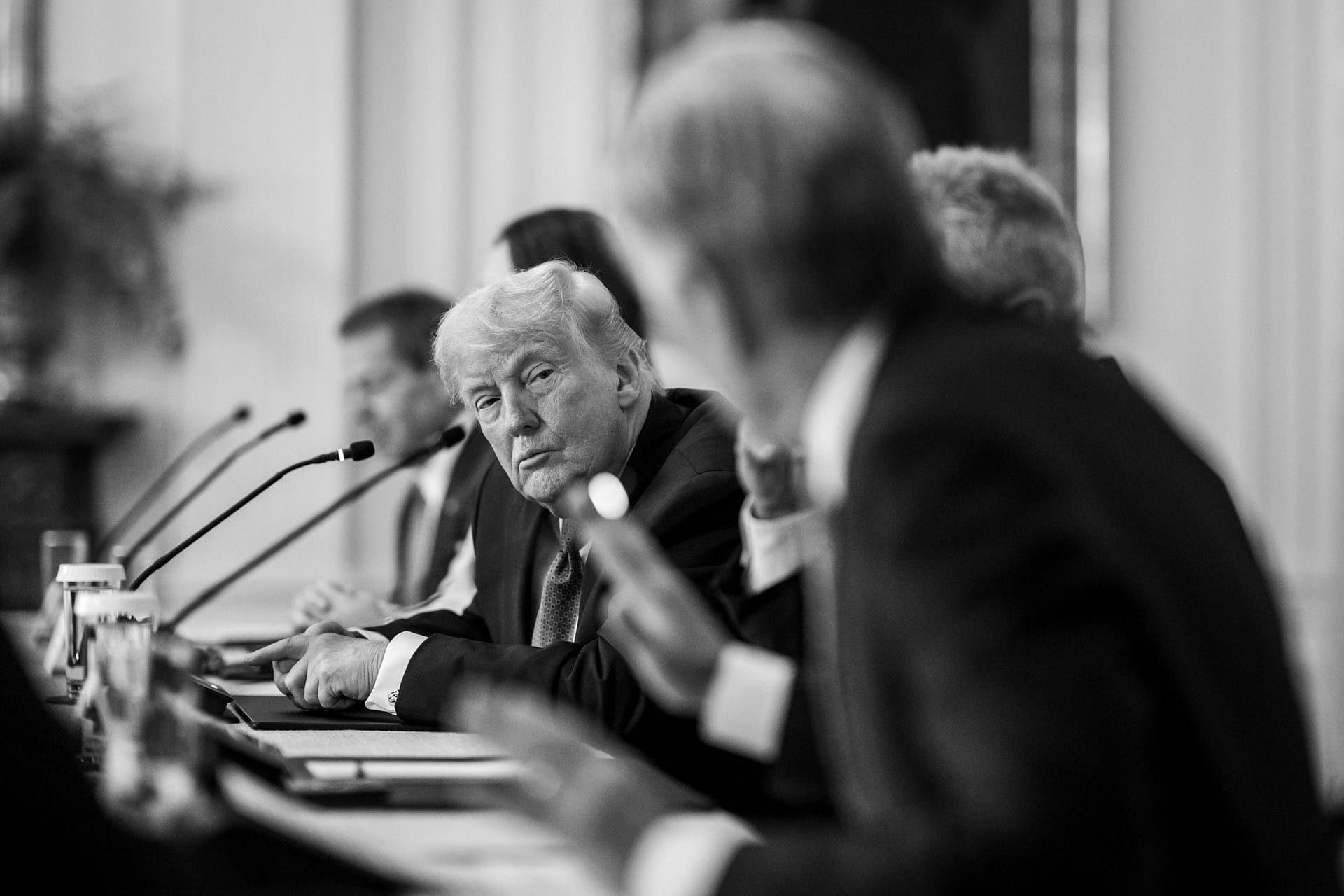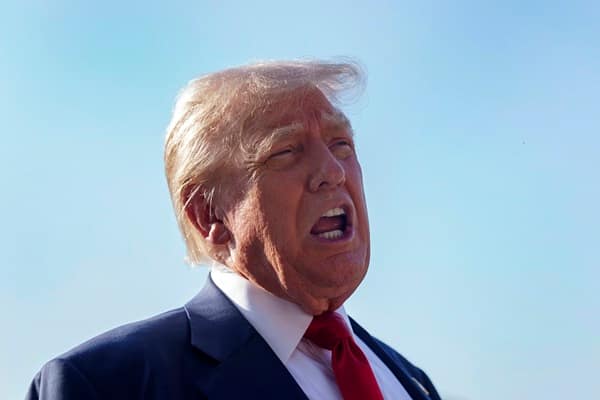
The snow outside the conference hall had not stopped falling when Trump leaned into the microphone and smiled the way he did before saying something meant to land like a hammer.
“Look at the Chagos Islands,” he said. “An act of great stupidity.”
The room murmured. Diplomats shifted in their seats, already imagining tomorrow’s headlines. Somewhere far away, palm trees on Diego Garcia bent in the wind, indifferent to the argument over who owned the ground beneath their roots.
Starmer blasted over the ‘immoral surrender’ of Chagos Islands costing taxpayers £18 billion
Trump continued, pacing now. He spoke of weakness, of maps redrawn by hesitation, of allies who handed away strategic ground and called it diplomacy. If Britain could give up islands in the Indian Ocean, he asked, why should America hesitate in the Arctic?
Greenland entered the room like a ghost—vast, white, and suddenly very real.
To Trump, it was simple. Power was geography, and geography was destiny. You didn’t apologize for holding it; you secured it. The Chagos decision became a cautionary tale in his telling, a warning etched in coral and concrete: let go once, and the world notices.
Outside, the snow kept falling. Inside, aides scribbled notes, already preparing statements to soften the edges. But the message was clear enough. In Trump’s story of the world, there were winners who took, and losers who explained.
And he had no intention of explaining Greenland away.