The e-bike market in the US, and the broader micromobility industry consisting of e-bikes, e-scooters, and other ridables, is feeling the rollercoaster effects of the Trump administration’s recent move to impose sweeping new tariffs on global imports, only to swiftly reverse course just days later.
The abrupt policy changes have sent shockwaves through the micromobility industry, leaving companies scrambling to adjust and consumers uncertain about future pricing.
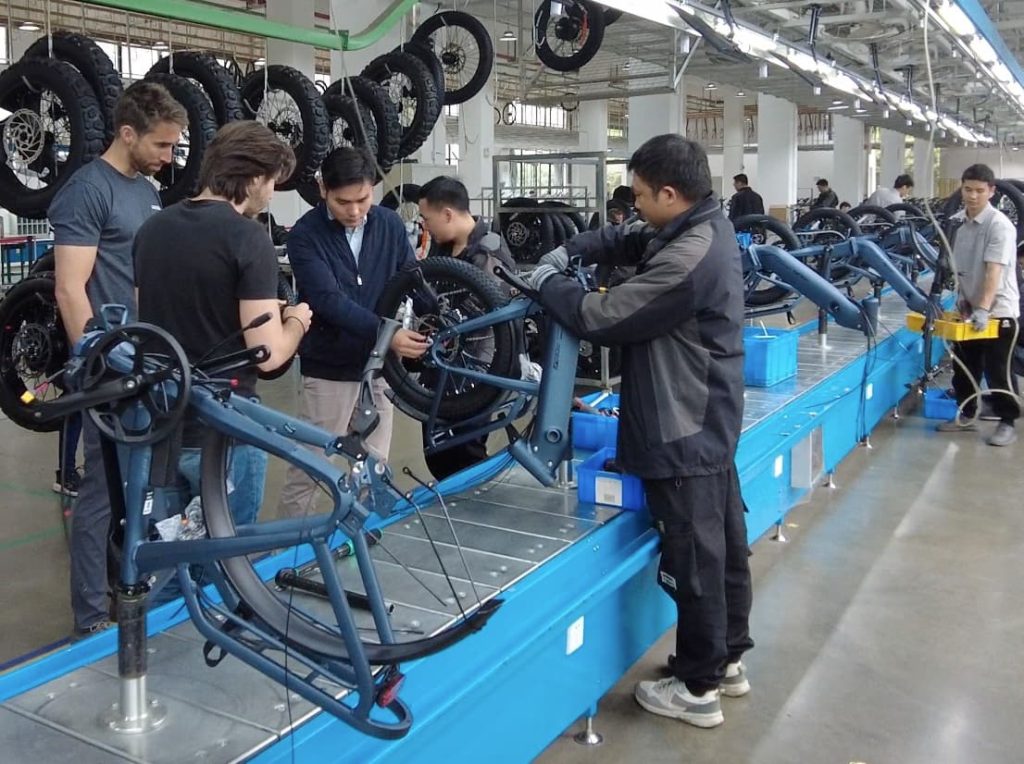
Tariffs are nothing new for the e-bike industry. Back in 2018, the first Trump administration announced hefty tariffs of up to 25% on a wide array of products imported from China, including e-bikes and electric scooters. The rationale cited involved protecting American manufacturing and pressuring China to address trade imbalances. While the tariffs targeted broader categories, the electric bicycle industry – already heavily reliant on Chinese manufacturing – stood poised to bear significant financial strain.
Years of tariff exclusions and then a snapping back of tariffs led the e-bike industry to develop a strong stomach while prompting a shift from Chinese manufacturing to other lower-tariffed Asian countries such as Vietnam and Cambodia. But nothing could prepare the industry—or consumers—for what would come in the form of steep new tariffs from the second Trump Administration.
February of this year saw 20% tariffs added to Chinese imports on top of the existing 25% tariffs already in place on electric bicycles. Then April’s “Liberation Day” tariffs stacked another 34% tariffs on top of those, which quickly ballooned into 84% tariffs on Chinese imports. Financial markets in the US and around the world tumbled.
At the same time as China stood up to what it referred to as Trump’s “unilateral bullying” with its own reciprocal tariffs, and as Trump’s advisors eyed a quickly developing US bond crisis, the president ultimately backed down and announced a 90-day pause on tariffs above 10% – except for China, whose new tariff rate he raised to 125%. When factoring in the original 25% tariffs on e-bikes from Section 301, that puts a 150% tariff rate on e-bikes and e-scooters imported to the US from the world’s largest maker of e-bikes and e-scooters. In other words, an e-bike that costs a company $500 to produce in China now costs them $1,250 to bring across the border into the US – and that’s before any other costs such as ocean freight or the operating expenses of running a business in the US.
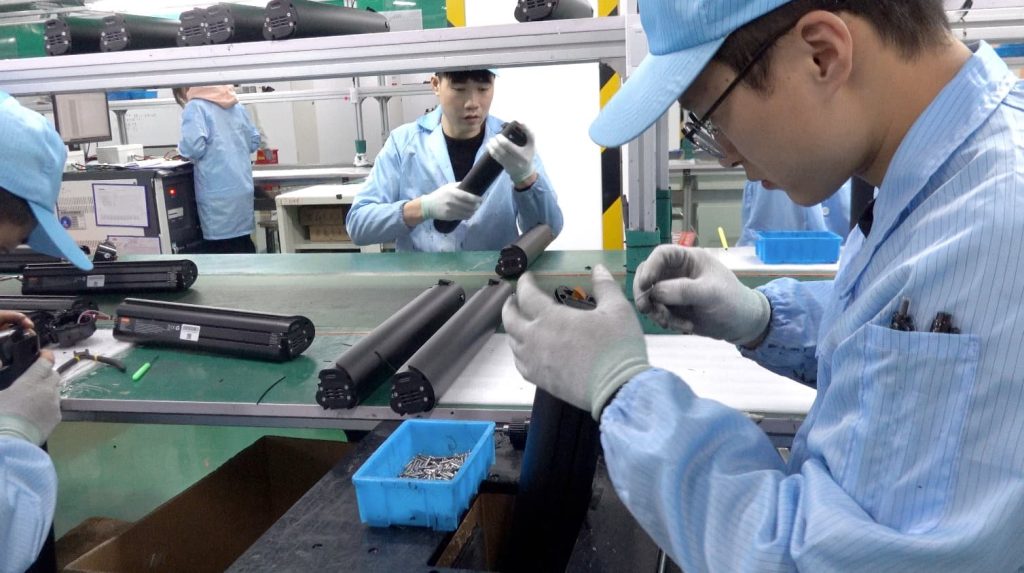
Almost immediately, panic has rippled through the industry. Companies faced with these steep new import duties have to contemplate rapid price increases, shifting manufacturing bases, or absorbing massive cost hikes themselves. Electric bicycles and scooters, already growing in popularity as affordable alternatives to cars and public transit, risk becoming less accessible to the average consumer. For example, a notice on Velotric’s website, posted several days ago when the tariff rates on Chinese e-bikes were half what they are today, explained that “Due to the implementation of new Tariffs, pricing on select models may increase starting April 15th, 2025. This decision is necessary to ensure that we can continue to provide the high-quality e-bikes you love, while meeting the new tariffs.”
With electric bikes imported from China now costing companies over twice what they did a week ago, huge uncertainty hangs over the market. In the past, we’ve seen some companies raise prices when tariffs have floated their costs, while others have absorbed up to 25% tariff increases, shaving their margins to keep prices affordable for consumers. But no e-bike company can afford to absorb a sudden doubling of their costs.
Several e-bike companies have spent the last few years preparing to move their manufacturing out of China. Lectric Ebikes, for example, has almost entirely relocated its manufacturing, moving to other Asian countries with lower US tariff rates. The company’s CEO, Levi Conlow, explained at the Micromobility America 2024 conference last November that the move was part of a longer strategy to seek out manufacturing in countries that had traditionally been spared the wrath of Trump’s smaller trade wars.
In a twist of irony though, Vietnam, one of the key alternatives for e-bike manufacturing, was hit with even higher tariff rates than China when the “Liberation Day” tariffs were announced on April 2, at least until the Trump Administration ratcheted up China’s tariff rate to a figure even higher than Vietnam’s.
Experts argue that such unpredictable tariff policies are harmful in an industry that thrives on consistency and predictable costs. E-bike development cycles often take a year or more, and pricing strategies are key considerations when developing new models that require months to design, produce, and ship to the US. Import-dependent companies, which constitute almost the entirety of the U.S. micromobility sector, seek clarity to confidently grow their operations and meet consumer demand for e-bikes. Meanwhile, domestic manufacturing alternatives, though slowly gaining momentum, remain a drop in the bucket compared to imports.
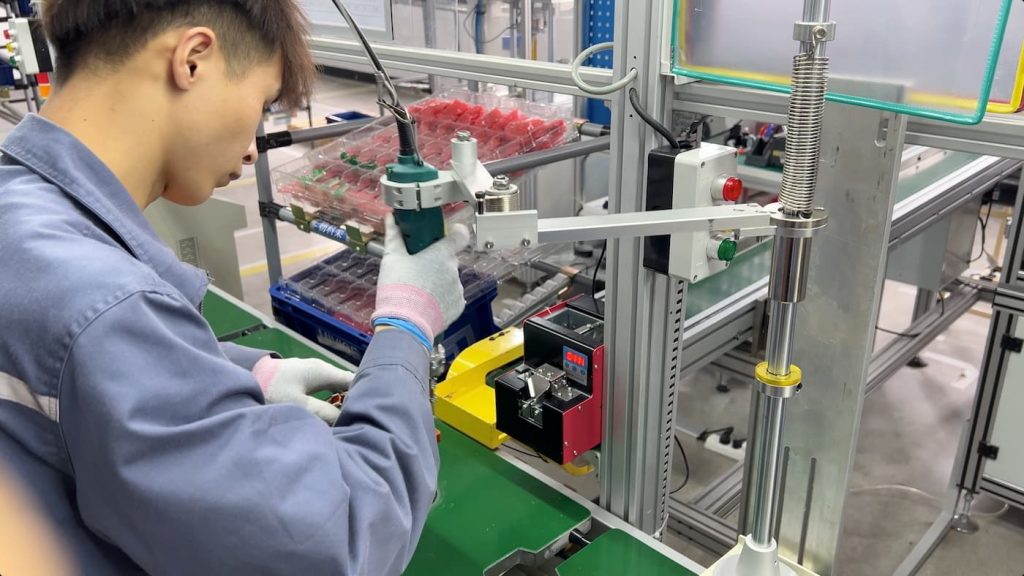
US-based manufacturers like Electric Bicycle Company, which assembles its e-bikes in California, aren’t able to support the vast demand for e-bikes across the entire US. Even those few US-based e-bike builders still import nearly all of their components from overseas, with China remaining the key supplier of e-bike components. From bicycle frames to motors and batteries, the minimal number of e-bikes built in the US use almost exclusively foreign-made components, as the US lacks the manufacturing capabilities to produce these components at any reasonable scale to replace the massive production volume available from China.
While the broader markets breathe a tentative sigh of relief after the majority of tariffs were quickly withdrawn from all countries except China, the damage of uncertainty remains, not to mention the extreme price increases that are all but inevitable on Chinese-produced electric bikes that dominate the market. Advocates and business leaders continue to urge policymakers to prioritize consistent and clear trade policies. In the fast-growing world of electric bikes and scooters, stability is critical to sustaining the momentum of eco-friendly and accessible transportation.
FTC: We use income earning auto affiliate links. More.