An aggregate wash plant has become an increasingly common investment for mining and quarrying companies across the UK. As demand for clean, well-graded materials continues to rise, older washing systems are often pushed beyond what they were designed to handle. New plants are helping operators keep up with production targets while managing tougher feed material and tighter project deadlines.
For companies supplying aggregates to the minerals, quarrying, and construction industries, reliable washing equipment supports daily output and long-term growth. A modern aggregate wash plant is no longer seen as an optional upgrade, but as a practical step towards better performance and improved site efficiency.
Meeting higher output expectations
Production demands have grown steadily over recent years. Many quarries are required to process larger volumes while maintaining consistent material quality. Older wash plants can struggle when faced with high-clay content, excess fines, or fluctuating feed sizes. This often leads to slower processing and uneven results.
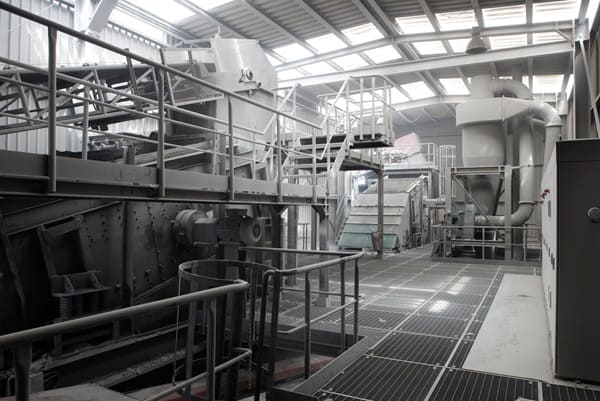
A new aggregate wash plant is designed to cope with these challenges. Improved screening decks, more efficient washers, and stronger pumps allow material to move through the system at a steady pace. This helps sites increase throughput without compromising quality. Consistent output allows quarry managers to plan production more accurately and meet supply agreements with confidence.
Improving aggregate quality
Clean aggregates are now expected as standard by many buyers. Construction firms, concrete producers, and asphalt plants rely on materials that meet tight grading and cleanliness requirements. An outdated aggregate wash plant can leave excess silt or fine material mixed in with the final product.
A modern aggregate wash plant gives operators greater control over washing and separation stages. Better rinsing and classification result in cleaner stone and sand that is ready for use. This improves customer satisfaction and reduces the need for reprocessing. Over time, better quality products help suppliers maintain strong working relationships across the construction sector.
Better water control and recycling
Water use remains a major consideration for quarrying operations. Older washing systems often rely on large volumes of fresh water and provide limited recycling. This can increase running costs and place pressure on local water supplies.
New aggregate wash plants are built with water management in mind. Many systems include settling tanks, hydrocyclones, and filter presses that separate solids from water. Once cleaned, the water can be reused within the system. This reduces overall consumption and helps sites operate more consistently during dry periods. Improved water control also supports sites working under environmental permits.
Reducing wear and maintenance issues
Working with abrasive materials causes constant wear on aggregate washing equipment. Over time, this leads to breakdowns, lost production time, and rising maintenance costs. Older plants often require frequent repairs to keep them running.
A new aggregate wash plant is designed to reduce unnecessary wear. Updated materials, improved linings, and better component layouts help extend service life. Reduced downtime allows teams to focus on production rather than ongoing repairs. Even refurbished wash plants can offer these benefits when upgraded with modern components and properly serviced.
Supporting environmental compliance
Environmental standards continue to influence how mining and quarrying companies operate. Managing silt, runoff, and wastewater is now a key part of site planning. An outdated wash plant may struggle to meet these expectations.
A modern aggregate wash plant supports compliance by improving waste separation and water treatment. Cleaner discharge and reduced runoff lower the risk of site issues during inspections. This helps operators avoid delays and maintain steady production throughout long-term projects.
Handling a wider range of materials
Many quarries now process more varied feed material than in the past. This can include recycled aggregates, mixed stone, and difficult high-clay deposits. Older wash plants were often designed for a narrow range of conditions.
New aggregate wash plants offer greater flexibility. Adjustable screens, improved log washers, and efficient sand recovery systems allow sites to adapt to changing material types. This is especially useful for companies offering hire services, contract washing, or contract crushing, where equipment needs to perform reliably across different sites and conditions.
Supporting growth across construction projects
Ongoing construction work continues to drive demand for aggregates. Infrastructure upgrades, housing developments, and commercial projects all rely on consistent material supply. Quarrying companies need equipment that can support this demand without delays.
An aggregate plant helps businesses increase output while maintaining quality. By investing in updated washing systems, companies position themselves to take on new contracts and meet future demand. Whether purchasing new or choosing a refurbished solution, wash plants remain central to modern aggregate production.
As the industry evolves, the aggregate wash plant continues to play a key role in supporting efficiency, compliance, and long-term success.