This case concerns a dispute over unpaid electricity and gas bills. The dispute ultimately arose at the end of tenancy owed to a hike in utility costs. Who should pay?
The Claim
The claim, in this case, was for an unpaid increase in electricity and gas bills for the entire year of the tenant’s occupation. The landlord considered the tenancy agreement allowed for the utilities to increase in line with supplier prices, provided that the tenant was advised in advance of any such increase.
The Evidence
The evidence included the tenancy agreement, and an invoice supporting the claim.
The tenant disputed the claim stating that the tenancy agreement referenced an amount of £40.00 for gas and electricity as being included in the monthly rent payment, and that reference within the tenancy agreement to any increase in supplier prices, related specifically to service charges.
The Outcome
The adjudicator was not persuaded that an award was justified. Whilst the landlord’s intention was to raise the fixed utility cost included in the rent, the tenancy agreement had a further clause, separate to the fixed cost clause. This clause referenced a £40.00 monthly payment and confirmed any increases were in relation to service charges, defined explicitly as council tax, internet and insurance.
As the definition of service charge did not include gas and electricity, there was ambiguity as to which utility was to be impacted by supplier increases.
The clause was interpreted differently by the landlord and the tenant. Any doubt about the meaning of the clause is to be construed in the tenant’s favour, and as such, no award was made.
So, what are the key points here?
- Ensure drafting of the tenancy agreement is clear. Where there is doubt amount the meaning of a clause, i.e., it is ambiguous, and could be interpreted differently, the words will be construed against the person who drafted the clause.
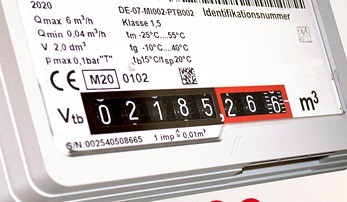
- Be clear about the provision of utilities, for example, if there is communal hot water and heating provided, ensure that the tenant is made aware of this, with meter readings taken at the start and end of the tenancy, to include readings for the communal meter.
- Be transparent – ensure the tenant knows whether communal costs are included in the monthly rent, or are to be charged separately and if so, when such bills are likely to be presented.
- If there is communal provision of heating and hot water, make sure the tenancy agreement accurately reflects the position, in that such accounts cannot be transferred by the tenants into their names.
If you are interested in further guidance relating to deposit disputes, visit the Information Lounge at TDS to browse further guides.
Sandy Bastin is head of dispute resolution at TDS.