[ad_1]
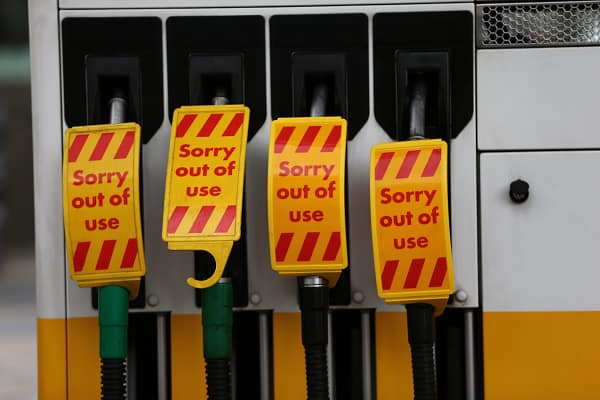
Petrol and diesel stocks at UK filling stations have dropped sharply since the outbreak of war in Iran at the end of February, according to government figures, raising concerns about tighter supplies and rising prices.
Prior to the conflict, petrol stocks averaged 44–47% across the country. In the first four weeks after February 28, these levels fell to between 36–43%, hitting a low of 36% on March 4, 6, and 7—the lowest recorded since December 2022.
Stocks partially recovered later in March to around 40%.
Diesel stock levels have also fallen. While previously stable at 47–52%, they dropped to 37% by March 6, with the East Midlands, Northern Ireland, South West England, and the West Midlands recording lows of just 35%.
North East England and Scotland fared slightly better, with minimum diesel stocks of 41%.
Despite the decline in stock levels, deliveries to filling stations increased, with petrol deliveries averaging 7,333 litres per day, up from 7,071 litres in the four weeks prior to the conflict. Petrol sales rose similarly, averaging 7,615 litres per day, compared with 7,139 litres previously.
A Department of Energy spokesperson said: “Petrol stations in the UK are being supplied as normal and we have a diverse and resilient supply.
“Both the AA and Fuels Industry UK have been clear that fuel production and imports are continuing across the UK as usual with no issues being reported.”
The Department for Energy & Net Zero based its figures on data from around 4,900 stations across the UK, accounting for over 80 per cent of normal sales.
Analysts warned that while stocks have partially recovered, ongoing tensions in the Middle East continue to pose a risk to supply and prices.
[ad_2]
Source link