[ad_1]
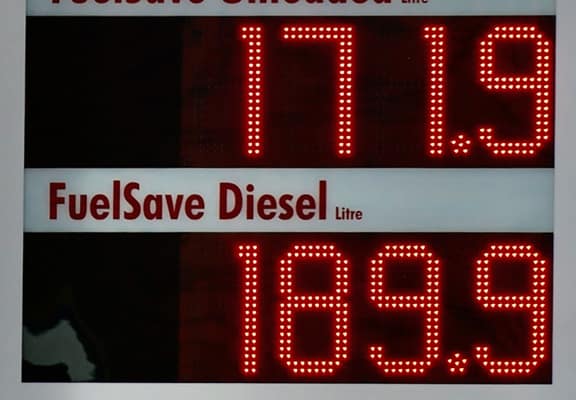
UK drivers could face a lag of several weeks before falling global oil prices translate into cheaper petrol at the pump, analysts have warned.
Although wholesale oil costs have dipped sharply in recent days amid easing tensions in the Middle East, retail forecourt prices in the UK typically take 1–3 weeks to adjust.
Fuel bought at higher prices earlier in the supply chain continues to be sold, meaning motorists do not immediately benefit from international market movements.
The delay reflects several factors:
- Wholesale lag: Petrol stations often base their pump prices on fuel purchased days or weeks earlier.
- Stock turnover: Fuel sitting in depots or tankers purchased at elevated prices must be sold first.
- Market behaviour: Retailers tend to pass on price increases quickly but implement reductions more gradually to protect margins.
Prakash Sharma, an energy analyst, noted: “Even with a sharp drop in oil prices, the effect at the pump is delayed because of how fuel moves through the supply chain. Drivers should expect gradual reductions over the coming fortnight rather than instant relief.”
Drivers might see initial price drops at major forecourts within a week. More substantial reductions are usually visible within two to three weeks, though prices can vary between stations depending on stock contracts and regional competition.
Experts caution that petrol may remain elevated despite lower oil prices. Recent months have seen UK fuel costs hover near multi-month highs, and ongoing geopolitical uncertainties continue to keep wholesale oil and gas prices volatile.
Lindsey Entwistle, a principal analyst at Wood Mackenzie, said: “Even if global crude falls, the UK market does not respond immediately. The structural pressures, from energy security to refinery costs, mean motorists should not expect a rapid return to pre-crisis prices.”
With Easter travel and rising inflationary pressures, families and commuters across the country are bracing for continued high fuel costs, even as traders hope that international tensions and supply shocks ease.
In short: UK motorists could have to wait two to three weeks for meaningful petrol price relief, and even then, the reductions may be modest.
[ad_2]
Source link