[ad_1]
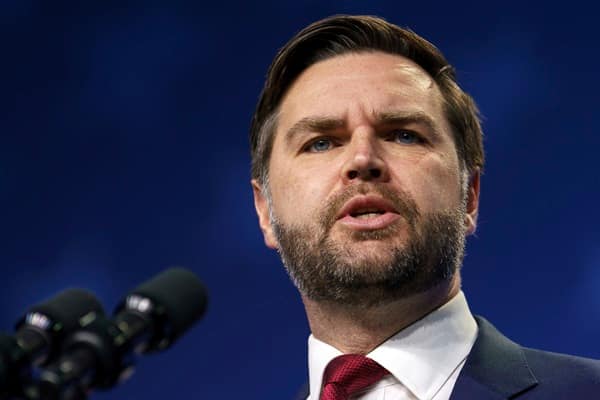
The US Vice President, JD Vance, has attacked the Labour Party for “making energy so expensive” for Britons, warning that millions are struggling to heat their homes or get to work amid soaring bills.
Speaking at an election rally in Hungary for Viktor Orbán, ahead of the country’s general election, Vance directly linked Britain’s energy crisis to the actions of the UK Prime Minister, while pointing to international developments, including Donald Trump’s policies on Iran, as a driver of rising oil and gas prices, GB News reported.
“Too many people in the UK cannot afford basic necessities because of scandalous energy policies,” Vance said, urging Sir Keir Starmer to reconsider his party’s approach.
He contrasted Britain’s situation with the United States, praising Washington for “smart decisions” that have kept energy costs lower for American households.
He said: “If you look at the cost of electricity in the United Kingdom, which is way underinvested in their energy resources, UK families are paying four times, five times, six times what United States citizens are paying for electricity.
“Isn’t it a scandal that middle class Brits, that people who are working hard and playing by the rules, can’t afford to heat their home, can’t afford to transport themselves to work because their leadership has made energy so expensive?
“It is not magical that the United States has lower energy costs in the United Kingdom. It’s because we’ve made smart decisions and their leadership is not. They could change course, and we hope that they will.”
Vance’s remarks underline the growing global scrutiny of Britain’s energy prices, which have surged in recent years due to geopolitical tensions, supply constraints, and domestic policy challenges. Analysts say that while international conflicts affect wholesale energy markets, government regulation and taxation play a significant role in household bills.
The intervention by a senior U.S. official at a foreign political rally is unusual, highlighting both the transatlantic interest in energy security and the way domestic politics can be framed in a global context.
[ad_2]
Source link